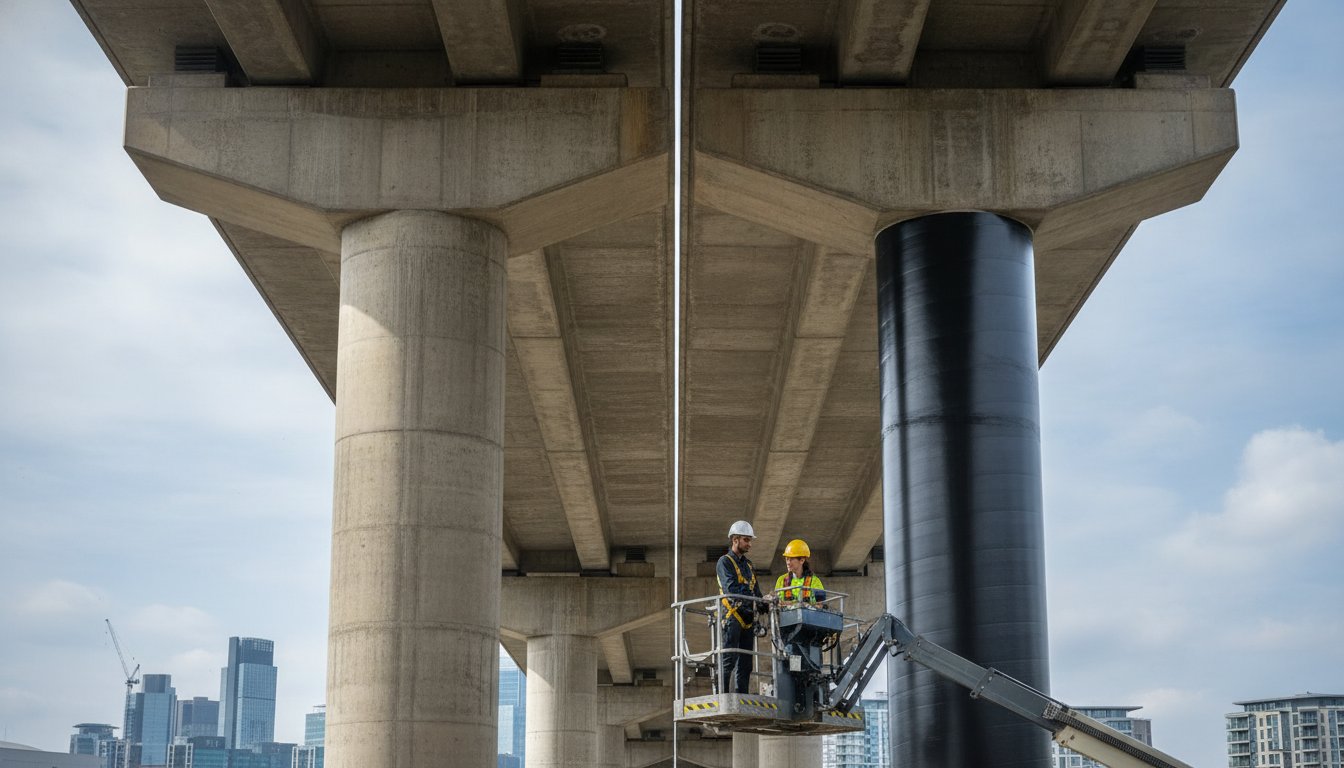
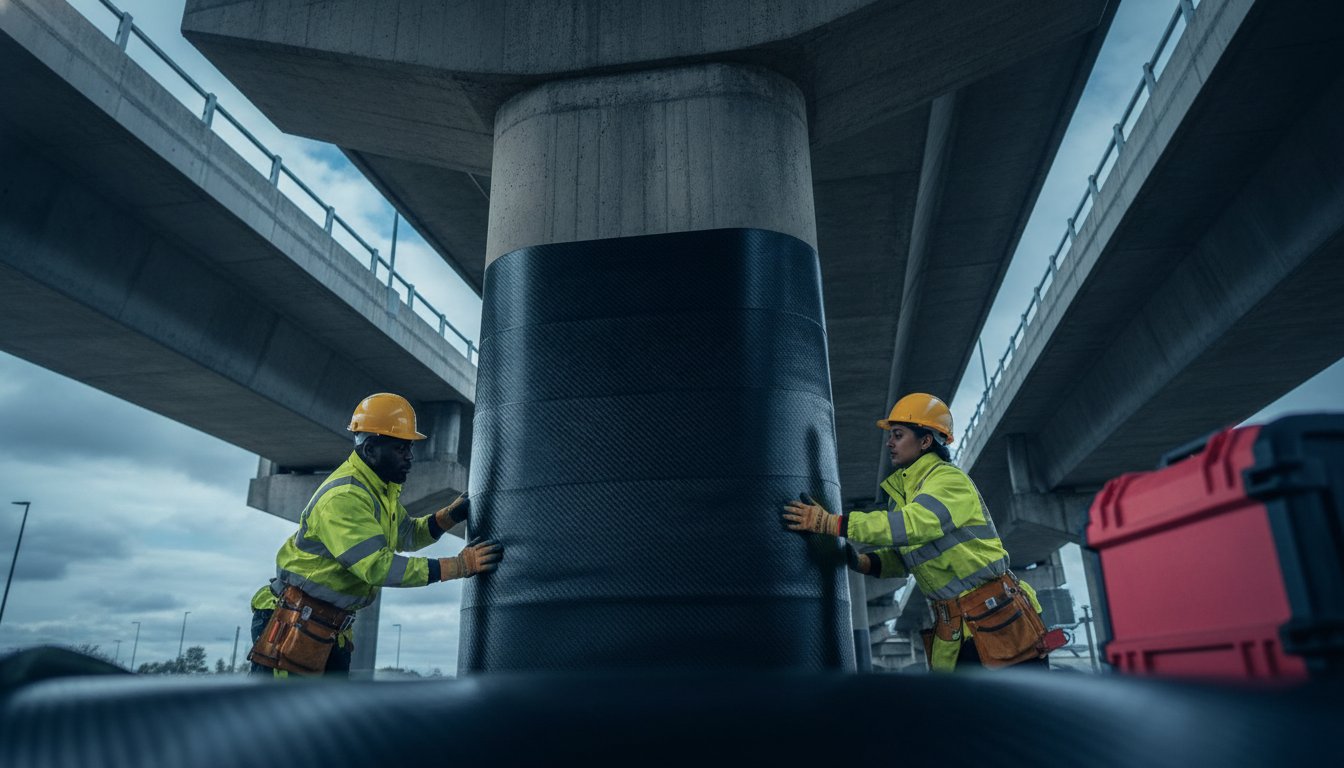
With approximately 10% of Great Britain’s 71,000 bridges currently classified as substandard, the structural integrity of the national transport…
With approximately 10% of Great Britain’s 71,000 bridges currently classified as substandard, the structural integrity of the national transport…
Did you know that Carbon Fibre Reinforced Polymer (CFRP) possesses a strength-to-weight ratio approximately ten times greater than structural steel?…
The assumption that structural resilience requires massive additions of steel and concrete is increasingly becoming an engineering fallacy in the…
The assumption that structural obsolescence necessitates total demolition is an engineering fallacy that the United Kingdom’s stringent net-zero…
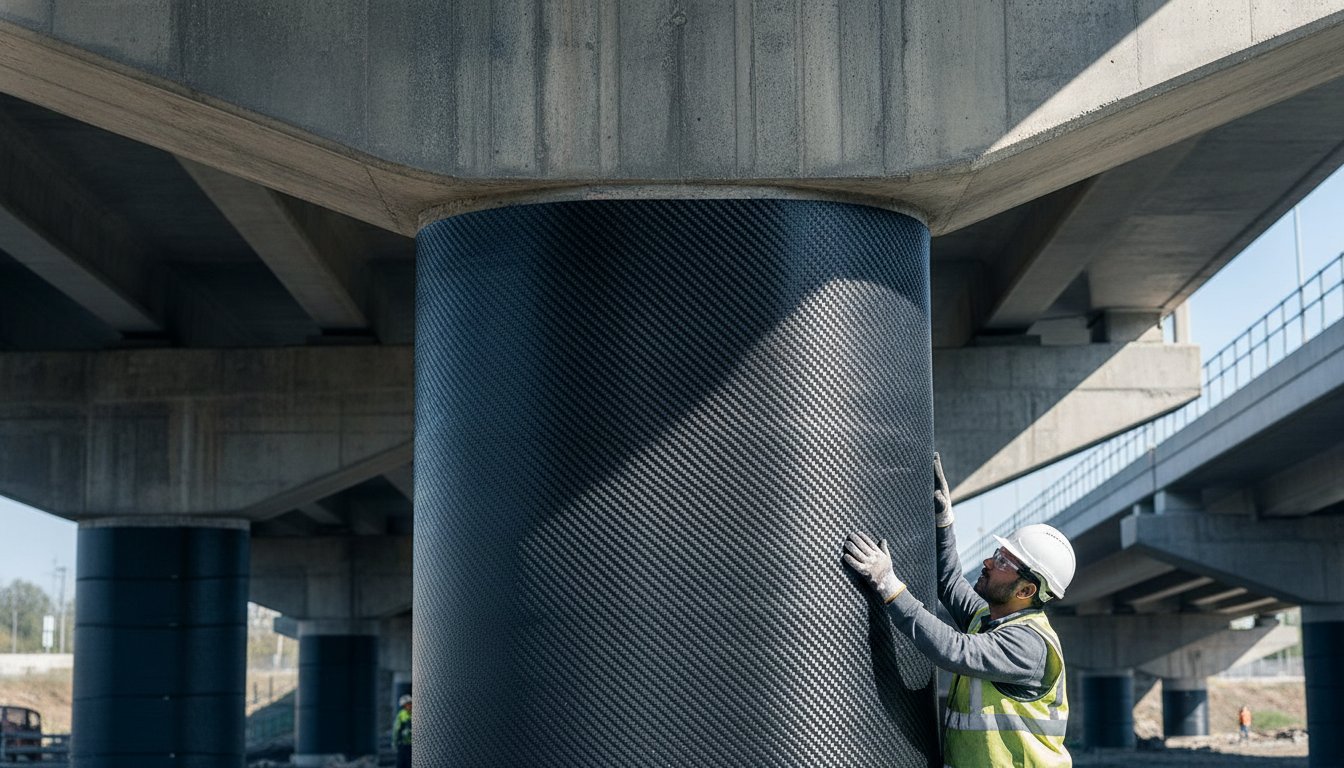
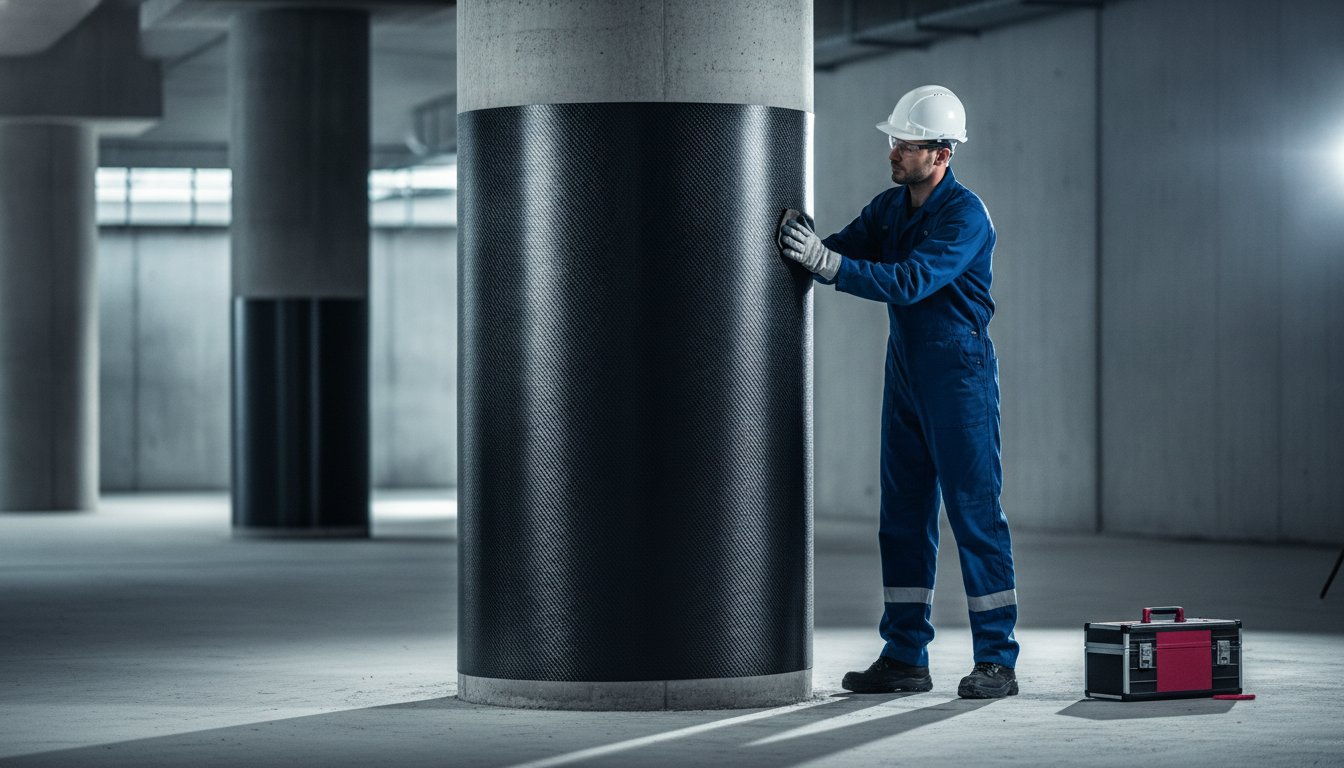
With a strength-to-weight ratio approximately ten times greater than that of structural steel, the Tyfo® Fibrwrap® system represents a paradigm shift…
The assumption that a severely corroded or structurally compromised pipeline necessitates total excavation and replacement is an increasingly…
Traditional mass pour underpinning is frequently regarded as the singular definitive solution for foundation failure, yet the invasive nature of such…
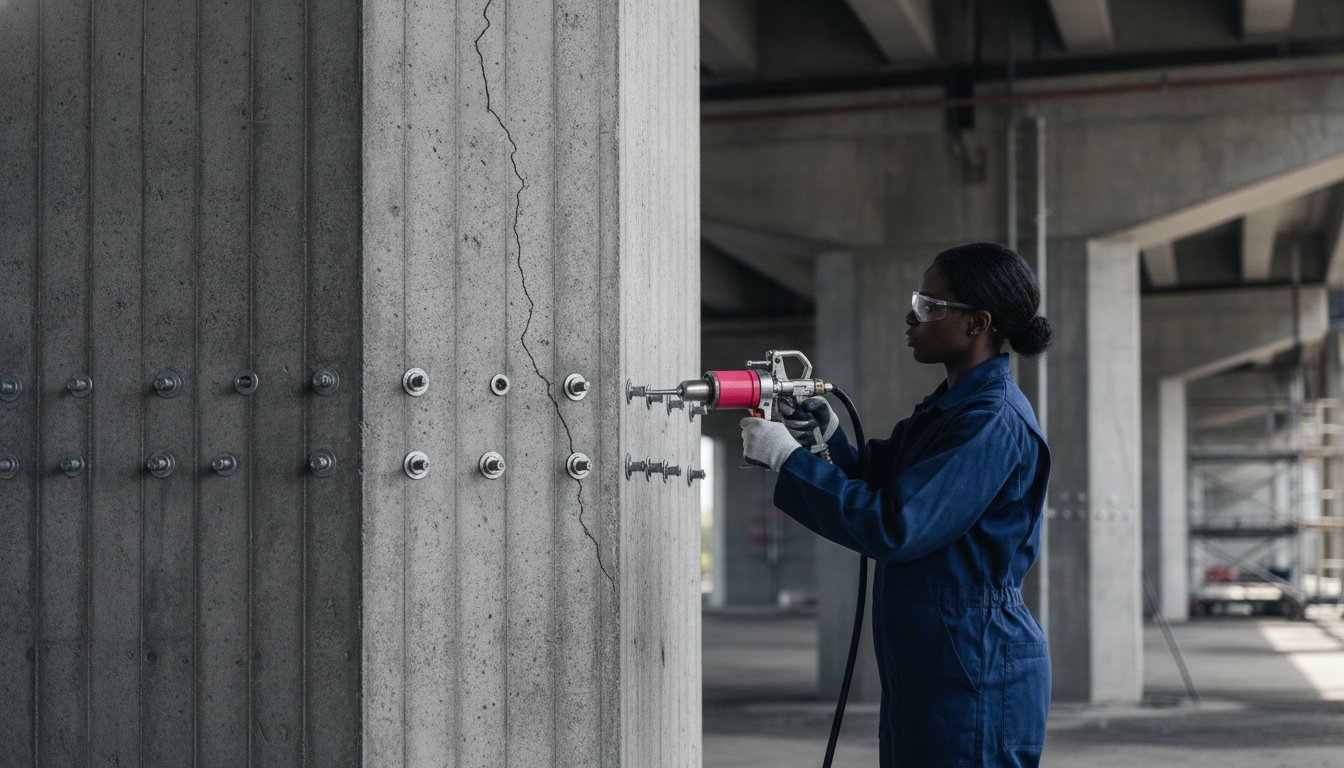
The structural integrity of a reinforced concrete asset is fundamentally compromised once its monolithic continuity is interrupted by fractures,…
How can a material with a thickness measured in millimetres increase the load capacity of a masonry wall by up to 60% whilst adding negligible weight…
The traditional reliance on structural steel for remedial strengthening is increasingly being challenged by the superior performance and long-term…