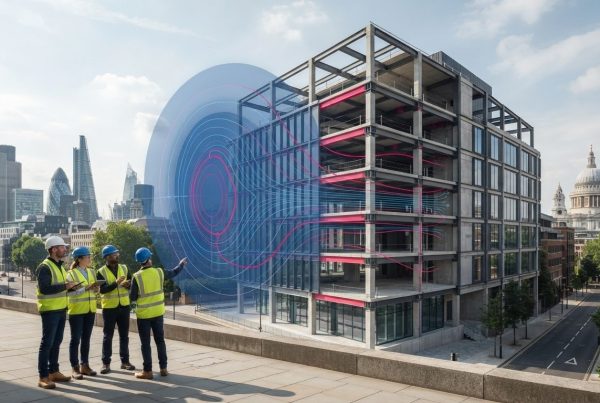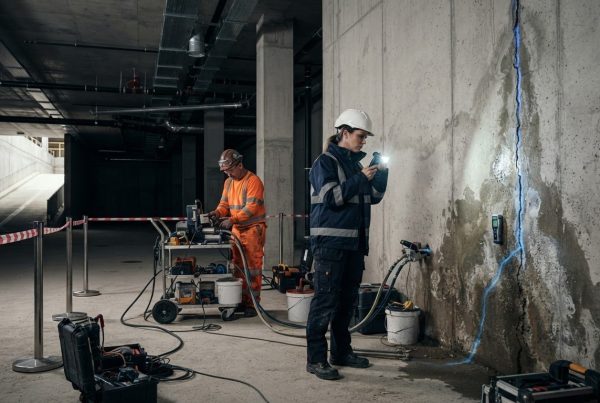

For decades, the default response to foundation subsidence has been the invasive application of mass-pour concrete, yet modern engineering now offers superior alternatives to traditional underpinning that prioritise asset longevity over brute force. It’s well understood amongst structural engineers and asset managers that deep excavations often introduce secondary risks, including the potential for ground movement affecting adjacent structures and the addition of significant dead weight to already compromised substrates.
You’ve likely experienced the frustration of traditional methods where the sheer scale of the works necessitates prolonged operational downtime and complex site logistics. This article explores how advanced resin injection and Carbon Fibre Reinforced Polymer (CFRP) systems provide a less invasive, more efficient path to structural stability for commercial assets. We’ll examine the technical performance of these composite technologies, detailing how they deliver long-term structural integrity whilst significantly reducing project durations. By shifting the focus from heavy excavation to precision-engineered material science, it’s possible to achieve robust stabilisation with minimal site disruption and a vastly reduced carbon footprint.
Key Takeaways
- Evaluate why modern resin injection and geopolymer systems are specified as superior alternatives to traditional underpinning for high-value commercial assets.
- Understand how the application of Carbon Fibre Reinforced Polymer (CFRP) can redistribute structural stresses to negate the requirement for invasive foundation works.
- Learn about the operational benefits of expanding geopolymers, specifically their rapid curing properties and the significant reduction in required excavation volume.
- Recognise the importance of design-led engineering, where geotechnical testing and structural surveys inform the selection of bespoke stabilisation systems.
- Discover how advanced material science contributes to infrastructure sustainability by extending the functional lifespan of existing structures with minimal site disruption.
Beyond Mass Concrete: The Case for Alternatives to Traditional Underpinning
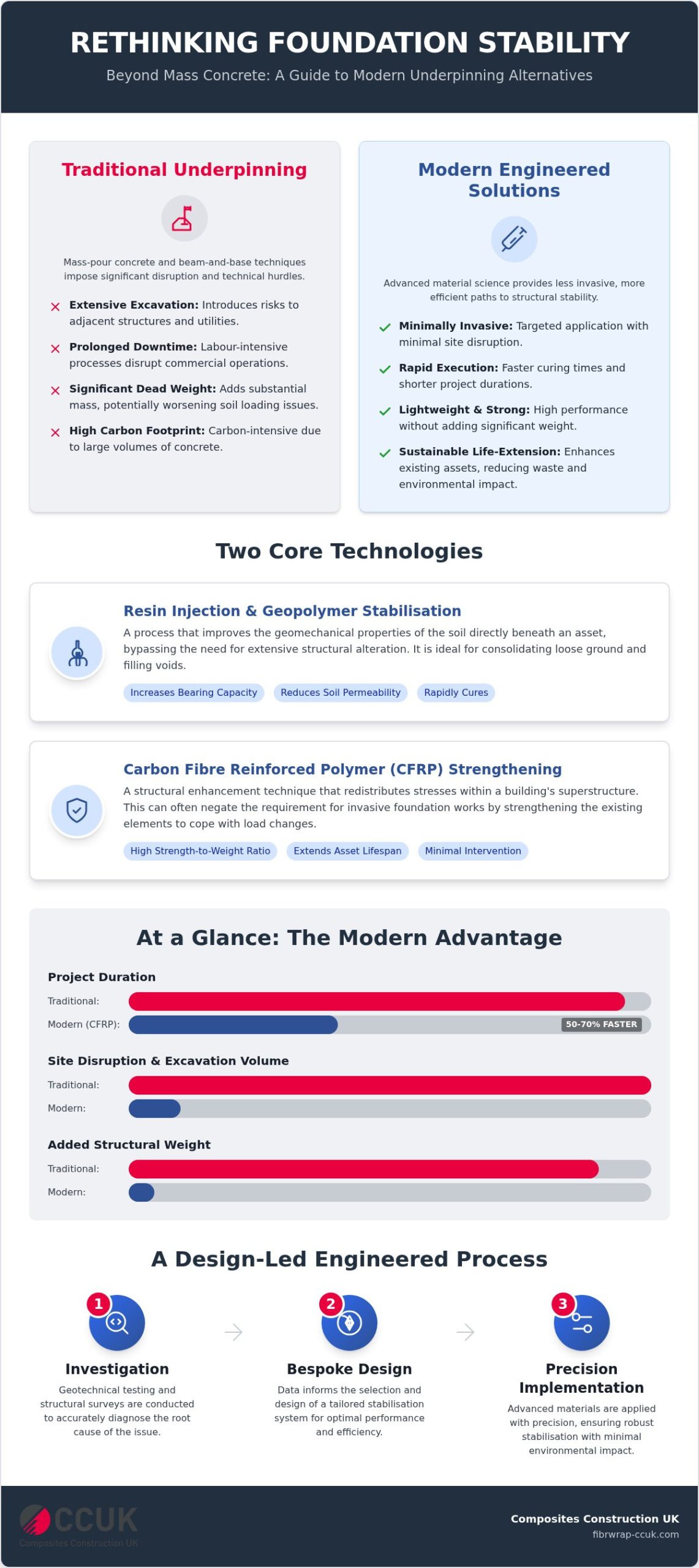
The reliance on Traditional Underpinning Methods remains a standard within the UK construction sector, yet the inherent limitations of mass concrete are increasingly scrutinised in the context of modern commercial infrastructure. For asset managers, the primary challenge lies in balancing the necessity of foundation stabilisation with the requirement for operational continuity. Mass-pour and beam-and-base techniques, whilst technically proven, impose significant disruption through extensive excavation volumes and the deployment of heavy plant. In high-density urban environments or sensitive industrial sites, these factors often render traditional methods commercially unviable. Consequently, the search for alternatives to traditional underpinning is driven by a need for precision, reduced programme durations, and lower environmental impact.
Limitations of Mass-Pour Underpinning
Deep excavations required for mass-pour underpinning present substantial technical hurdles, particularly when working in proximity to existing utilities or adjacent structural footings. The process is inherently labour-intensive and introduces risks associated with confined space working and the management of hydrostatic pressure. Beyond the immediate site hazards, the addition of significant concrete mass can exacerbate soil loading issues, potentially leading to differential settlement if the underlying strata aren’t uniformly competent. For complex commercial assets, the weight of traditional concrete solutions often complicates the long-term structural equilibrium rather than resolving it. For projects where site constraints demand more compact, specialised machinery instead of heavy plant, you can check out Ayr Tracked Plant & Equipment Hire for niche tracked solutions.
The Shift Towards Structural Life-Extension
A discernible shift is occurring within UK civil engineering towards a ‘repair over replacement’ philosophy. This approach prioritises the enhancement of existing structural elements over the total reconstruction of foundation systems. By utilising advanced materials such as Carbon Fibre Reinforced Polymer (CFRP) and specialised resin injection, the functional lifespan of an asset is extended with minimal intervention. This strategy is central to the Structural Repairs pillar of modern asset management, providing a data-driven methodology for remediation.
The economic advantages are clear; reduced material waste and shorter project timelines offer a superior return on investment compared to the carbon-intensive nature of traditional concrete-heavy methods. It’s documented in industry research that CFRP strengthening can reduce construction periods by 50% to 70% compared to traditional steel plate bonding, offering a significant advantage in time-sensitive infrastructure projects. These alternatives to traditional underpinning align technical performance with the broader sustainability goals of the modern built environment. For projects requiring bespoke calculations, a design-led approach ensures that every intervention is tailored to specific geotechnical conditions.
Resin Injection and Geopolymer Soil Stabilisation
Resin injection and geopolymer stabilisation represent a significant evolution in the field, offering versatile alternatives to traditional underpinning that bypass the need for extensive structural alteration. Unlike traditional mass-pour methods, these systems utilise the expansive properties of high-density geopolymers to improve the geomechanical properties of the soil directly beneath an asset. The process involves the targeted delivery of a two-component resin through small-diameter injection tubes, which then expands to fill voids and compress loose strata. Technical research into Geopolymer-Based Soil Stabilizers highlights their efficacy in increasing shear strength and reducing permeability, making them particularly suitable for UK infrastructure where water-induced soil degradation is a frequent concern. This method is increasingly applied to bridge abutments and heavy industrial foundations where groundwater management is critical.
Geopolymer Ground Improvement
The primary function of resin injection is to enhance the bearing capacity of the substrate to support existing structural loads. Geopolymer injection is a controlled chemical reaction used to consolidate loose soil strata. Whilst traditional concrete achieves strength through hydration, geopolymers develop compressive strength through a polycondensation process, often reaching 90% of their ultimate capacity within hours rather than weeks. This rapid curing is vital for maintaining the operational rhythm of commercial facilities. In comparative testing, specialised geopolymers exhibit high compressive strength and dimensional stability, ensuring that the ground improvement remains effective under long-term cyclic loading. For complex projects, a bespoke engineering design is required to account for the specific behaviour of UK clay soils, where moisture sensitivity is a primary factor in foundation instability.
Slab Levelling and Void Filling
Industrial flooring and warehouse slabs frequently suffer from settlement due to subterranean voids created by soil erosion or historical compaction issues. Resin injection allows for the remediation of these ground-bearing slabs without the requirement for demolition or total replacement. These technologies provide precise alternatives to traditional underpinning in environments where automated machinery and high-tolerance racking systems demand absolute floor levelness. By monitoring the injection process with laser levelling equipment, engineers can achieve sub-millimetre precision during slab lifting operations. The non-invasive nature of the work means that site clearance is often unnecessary, allowing business activities to continue in adjacent areas whilst the stabilisation is performed. If your asset requires a technical evaluation to determine the most effective stabilisation method, you may contact our engineering team for a detailed structural survey.
CFRP Strengthening: A Structural Alternative to Foundation Work
Traditional engineering logic suggests that when a foundation’s bearing capacity is exceeded, the only solution is to extend the footing depth through excavation. However, advanced material science introduces alternatives to traditional underpinning by focusing on the structural integrity of the asset itself. By applying Carbon Fibre Reinforced Polymer (CFRP) to existing structural members, engineers can increase the load-carrying capacity of columns and beams, effectively compensating for localised foundation movement. This approach shifts the focus from ground-level intervention to the enhancement of the superstructure, providing a sophisticated remediation strategy for commercial infrastructure that prioritises long-term security.
Load Redistribution Strategies
The primary objective in foundation-related CFRP application is the redistribution of structural stresses. When a structure undergoes settlement, certain elements are subjected to unforeseen axial or flexural loads that exceed their original design parameters. Through precise engineering calculations and bespoke design, CFRP can be applied to these members to manage these increased stresses. This methodology is particularly effective when used with the Tyfo® Fibrwrap® Installation process, which allows for high-tensile reinforcement with minimal impact on the building’s footprint. By wrapping columns or reinforcing beam soffits, the structural load path is optimised, which can negate the necessity for invasive Underpinning in specific geotechnical scenarios where traditional methods’d be too disruptive.
Advantages of Composite Materials
Choosing CFRP over traditional steel plate bonding offers significant technical advantages in foundation remediation. Whilst steel is susceptible to oxidation and requires heavy mechanical fixing, CFRP is inherently corrosion-resistant and bonds chemically to the concrete substrate using high-performance epoxy resins. This durability is essential in aggressive industrial or coastal environments where structural longevity is paramount. CFRP provides a high strength-to-weight ratio, ensuring structural upgrade without increasing the foundation’s dead load. It’s a critical differentiator amongst alternatives to traditional underpinning, as it avoids the paradoxical problem of adding weight to a structure that’s already suffering from settlement. The low-profile nature of the Tyfo® Fibrwrap® system also ensures that the architectural and operational dimensions of the asset remain largely unchanged, maintaining the functional utility of the space throughout the installation.
Engineering Feasibility and Selection Criteria
The selection of appropriate alternatives to traditional underpinning is never an arbitrary decision; it requires a rigorous empirical approach grounded in geotechnical and structural data. Engineers must move beyond visual assessments, conducting comprehensive subterranean testing to map variables that influence foundation behaviour. Soil chemistry and moisture content are critical factors; for example, high sulphate levels in specific UK clay soils can impact the long-term performance of certain geopolymer resins. Similarly, the plasticity index of the soil dictates whether resin injection or mechanical piling represents the most stable long-term solution for the asset’s specific footprint.
Assessing the current condition of the structural asset is equally vital to ensure the efficacy of the chosen remediation. Before Carbon Fibre Reinforced Polymer (CFRP) is specified, carbonation testing is performed to determine the depth of concrete degradation and the risk of reinforcement corrosion. Pull-off tests are conducted to verify the substrate’s tensile strength, ensuring the bond between the composite and the concrete meets the required safety factors. A thorough cost-benefit analysis must also account for the hidden expenses of traditional methods, such as the 17.7% increase in fabricated structural steel prices observed in 2026, whilst balancing initial capital expenditure against the significantly reduced operational downtime offered by modern composites.
Technical Assessment Framework
The Specialist Engineering Contractor plays a central role during the feasibility phase, acting as the technical bridge between raw site data and bespoke structural design. All engineering calculations must align with Eurocode 2 and relevant UK standards to ensure absolute regulatory compliance and long-term safety. Detailed structural surveys allow for the creation of precise models, facilitating the CCUK Design Features that define a project’s technical success. This design-led approach ensures that every intervention is tailored to the specific load requirements and environmental conditions of the infrastructure.
Choosing Between Modern Methods
Technical decision-making often hinges on the depth of competent strata and the specific failure mechanism identified. Helical piles are frequently specified when load-bearing soil is situated at significant depths, providing a mechanical connection to stable ground. Conversely, resin injection is often the preferred choice for shallower ground improvement and void filling. In scenarios where the primary issue involves masonry cracking due to minor thermal or moisture movement, masonry reinforcement systems, such as bed joint reinforcement, may provide a sufficient alternative to more invasive works. To determine the most appropriate stabilisation strategy for your specific project, you can book a technical consultation with our engineering team for a detailed feasibility study.
Implementing Advanced Foundation Remediation
The execution of alternatives to traditional underpinning follows a methodical five-phase trajectory, designed to ensure that every intervention is grounded in engineering rigour and empirical data. This structured approach begins with a granular site investigation and structural analysis to isolate the root cause of the instability, whether it originates from soil desiccation, water ingress, or structural overloading. Once the failure mechanism is identified, the project moves into the bespoke design phase. During this stage, engineers develop detailed specifications and load calculations that align with the specific geomechanical requirements of the asset. This design-led methodology ensures that the chosen stabilisation system provides the necessary factor of safety whilst remaining minimally invasive.
The physical remediation commences with the preparation of the structural substrate or soil. For resin-based solutions, this involves the strategic placement of injection lances; for composite strengthening, it requires the mechanical preparation of concrete surfaces to ensure optimal chemical bonding. Installation is then performed by accredited specialist technicians who possess the technical proficiency to manage complex material behaviours. The final phase involves post-installation testing and verification, where structural performance is validated through monitoring or non-destructive evaluation to confirm that the design objectives have been achieved.
The Importance of Specialist Installation
Proprietary systems, specifically Tyfo® Fibrwrap® and advanced geopolymer resins, necessitate exclusive licensee expertise that general contractors cannot provide. The performance of these materials is highly sensitive to application conditions, requiring disciplined quality control measures throughout the installation process. Technicians must monitor ambient environmental conditions, including humidity and substrate temperature, whilst ensuring precise material batching and mixing ratios. This level of technical oversight is essential to guarantee that the cured composite or resin achieves its specified material properties. Adherence to these certified application processes is the primary mechanism through which long-term warranties are secured, providing asset controllers with the necessary assurance of structural security.
Sustainability and Life-Extension
A primary driver for adopting modern remediation over traditional methods is the significant reduction in embodied carbon. By prioritising the repair and strengthening of existing foundations, the environmental cost associated with the production and transport of mass-pour concrete is largely avoided. Innovative composites and geopolymers are instrumental in future-proofing national infrastructure, allowing assets to be upgraded to meet contemporary loading standards without the need for carbon-intensive demolition. This focus on extending the functional lifespan of essential structures aligns technical engineering capabilities with broader environmental and economic goals. If your project requires an expert evaluation of viable alternatives to traditional underpinning, you may Contact Composites Construction UK for a technical consultation on advanced stabilisation strategies.
Advancing Infrastructure Resilience Through Material Science
The transition towards advanced material science provides a technically superior framework for addressing foundation instability in complex commercial environments. By prioritising the application of high-density geopolymers and Carbon Fibre Reinforced Polymer (CFRP) systems, asset managers can achieve structural equilibrium without the secondary risks associated with mass-pour excavation. These alternatives to traditional underpinning offer a methodical path to structural life-extension, ensuring that essential infrastructure remains operational whilst meeting contemporary safety and performance standards.
As a specialist engineering contractor, CCUK delivers a comprehensive design-to-installation service, reinforced by our status as the exclusive UK licensee for Tyfo® Fibrwrap® systems. Our commitment to technical excellence is validated by our ISO 9001, 14001, and 45001 accreditations, ensuring that every project is executed with absolute engineering rigour. Whether remediating settled warehouse slabs or strengthening bridge columns, the focus remains on delivering long-term structural security through proven, non-invasive technologies. To evaluate the geomechanical requirements of your asset and determine the most effective stabilisation strategy, Request a Technical Consultation with our Engineering Team. We look forward to discussing your specific structural requirements.
Frequently Asked Questions
What are the most effective alternatives to traditional underpinning for commercial buildings?
The most effective alternatives to traditional underpinning for commercial infrastructure include geopolymer resin injection and Carbon Fibre Reinforced Polymer (CFRP) strengthening. Resin injection improves ground bearing capacity by consolidating loose soil strata; whilst CFRP systems, such as Tyfo® Fibrwrap®, enhance the superstructure’s load-carrying capacity. These technologies provide a sophisticated remediation strategy that avoids the invasive excavations and heavy plant requirements typically associated with mass concrete methods.
Is resin injection as permanent as traditional concrete underpinning?
Geopolymer resins are engineered for long-term dimensional stability and high compressive strength, making them as permanent as traditional concrete. Once the chemical reaction is complete, the geopolymer forms an inert, durable mass that is highly resistant to chemical and biological degradation. This ensures that the ground improvement remains effective under cyclic loading throughout the asset’s functional lifespan, providing a reliable foundation for critical infrastructure.
Can CFRP strengthening replace the need for foundation work entirely?
Structural strengthening using CFRP can often negate the requirement for subterranean foundation work by optimising the load path of the superstructure. By reinforcing existing columns and beams, the structure is made capable of redistributing stresses caused by localised settlement. This engineering approach focuses on enhancing the asset’s internal resilience, providing a viable alternative to the more disruptive and weight-intensive process of deepening foundation footings.
How much disruption should I expect with non-invasive foundation stabilisation?
Disruption is minimal because non-invasive stabilisation avoids large-scale excavations and site clearance. Resin injection is performed through small access points; whilst CFRP application requires only lightweight equipment and a small technician team. Most commercial assets can maintain full operational status throughout the project. This efficiency significantly reduces the project programme duration compared to traditional mass-pour methods, which often necessitate total site closure and extensive logistics.
Are modern foundation alternatives compatible with UK building regulations?
Modern alternatives to traditional underpinning are fully compatible with UK building regulations and structural standards. Every design is backed by bespoke engineering calculations that align with Eurocode 2 to ensure safety and compliance. These advanced systems are recognised by structural insurers and building control bodies, provided they are installed by accredited specialist contractors. This rigour ensures the long-term security of the asset within the national regulatory framework.
What is the typical lifespan of a structure repaired with composite materials?
The lifespan of a structure repaired with advanced composite materials typically extends for several decades, often matching or exceeding the structure’s original design life. CFRP is inherently resistant to corrosion and environmental degradation, unlike traditional steel reinforcement which is susceptible to oxidation. This durability makes it a premium choice for structural life-extension, ensuring that the asset remains functional and safe with significantly reduced long-term maintenance requirements.
How do I determine if my structure requires soil stabilisation or structural strengthening?
The choice between soil stabilisation and structural strengthening depends on the root cause of the structural distress identified during a survey. Soil stabilisation is specified if the substrate lacks sufficient bearing capacity or contains subterranean voids. Structural strengthening is prioritised if the asset’s members require higher load capacity to resist movement. A design-led approach often combines both methodologies to achieve a comprehensive and permanent structural remediation.
What geotechnical data is required to design an alternative to traditional underpinning?
Engineers require granular data on soil plasticity, moisture content, and the depth of competent strata to design an effective solution. This information is gathered through borehole testing, dynamic probing, and laboratory analysis of soil samples. Accurate geotechnical data ensures that the expansion properties of geopolymer resins or the tensile requirements of CFRP are precisely calibrated to the site’s environmental conditions, ensuring a tailored and safe intervention.