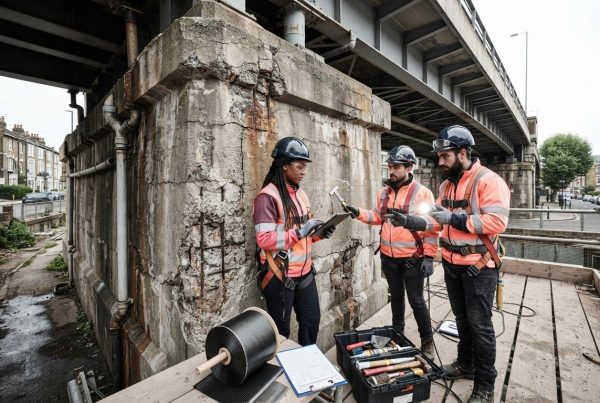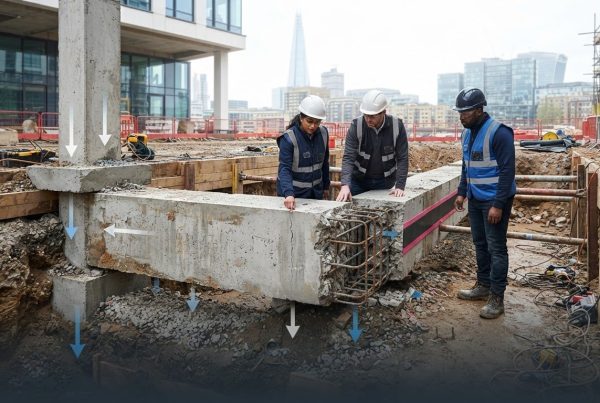

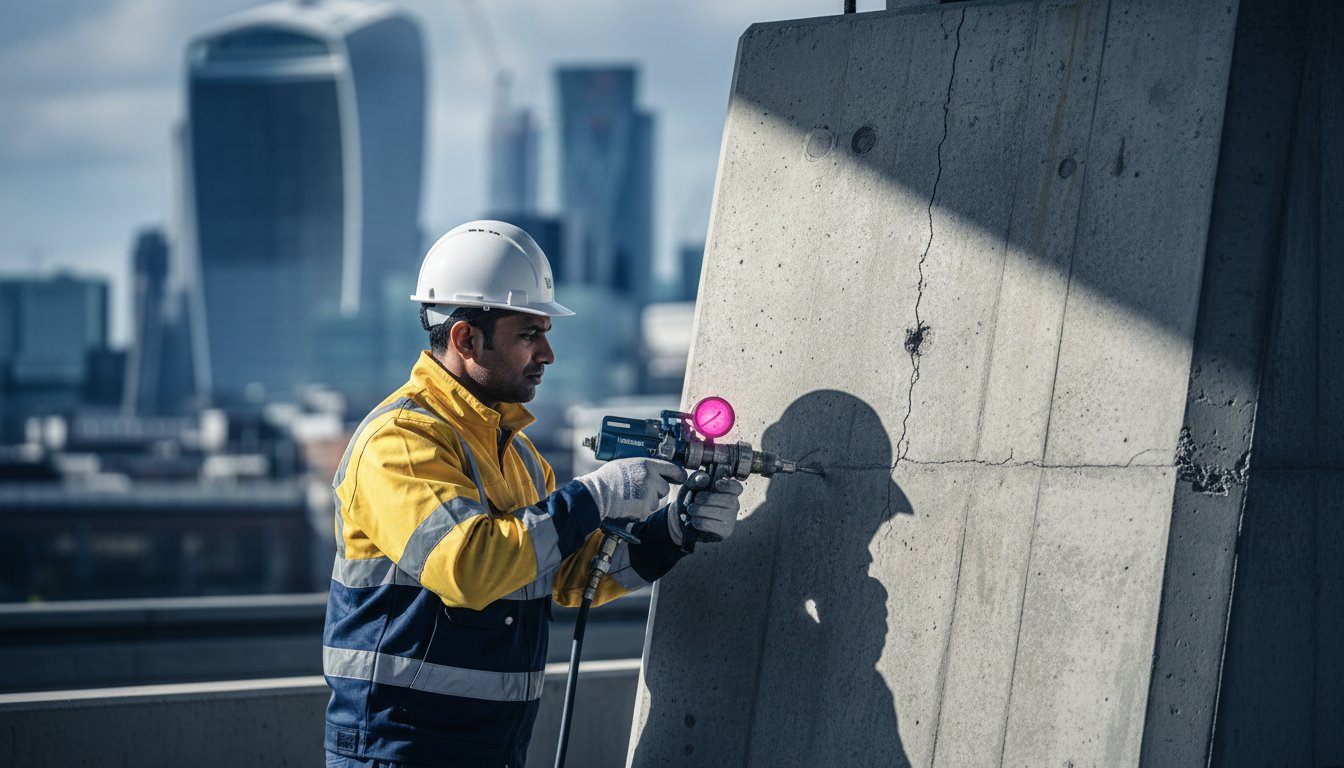
The long-term viability of critical infrastructure is frequently dictated by the precision of chemical interventions at the molecular level, where even minor water ingress can precipitate catastrophic load-bearing failure. Asset controllers and engineers understand that traditional ‘patch and repair’ methods often fail to address the underlying hydrostatic pressures or structural discontinuities that threaten essential assets. Successful remediation relies on a nuanced understanding of resin injection, treating it not as a simple sealant but as a precision-engineered structural component.
This guide provides a comprehensive analysis of the engineering principles and material chemistries required to master professional resin injection techniques for structural remediation and leak sealing. You’ll gain the technical insight needed to evaluate complex material selections, ensuring adherence to the rigorous performance standards defined by BS EN 1504-5:2013 and ASTM C881/C881M-21. We will examine the critical synergy between substrate condition and resin viscosity, whilst outlining the methodologies required for non-disruptive, permanent infrastructure rehabilitation.
Key Takeaways
- Evaluate the critical distinctions between gravity-fed delivery and high-pressure mechanical systems to ensure complete void filling and the restoration of structural continuity.
- Master the selection of resin injection chemistries by analysing the specific mechanical performance of epoxies, polyurethanes, and acrylics under varied hydrostatic conditions.
- Develop a robust methodology for categorising crack activity to determine whether an intervention requires rigid structural bonding or flexible leak sealing.
- Follow a disciplined engineering workflow for site assessment and substrate preparation to guarantee the long-term efficacy and safety of chemical remediation.
- Understand the role of advanced repair technologies in prolonging asset utility and how they can be combined with Tyfo® Fibrwrap® systems for enhanced reinforcement.
Understanding Resin Injection in Structural Engineering
Within the discipline of civil engineering, resin injection is defined as the controlled introduction of specialised liquid polymers into cracks, fissures, or voids within a host substrate to restore structural integrity or prevent fluid migration. Unlike superficial repairs, this methodology aims to achieve a monolithic bond between separated elements, effectively re-establishing the intended load-bearing pathways of the original design. Whilst gravity-fed pouring may suffice for wide, horizontal apertures where capillary action provides adequate penetration, high-pressure mechanical injection is the standard for critical infrastructure. This latter technique utilises mechanical packers and high-performance pumps to ensure that resins of varying viscosities reach the deepest recesses of a structural defect, overcoming internal resistance and hydrostatic pressure.
The strategic importance of resin injection in the United Kingdom’s infrastructure sector has increased as asset controllers prioritise the extension of service life over carbon-intensive demolition. By remediating defects in situ, the functional lifespan of bridges, tunnels, and marine structures is significantly prolonged without the socio-economic disruption associated with total reconstruction. This approach aligns with modern sustainability mandates, as it minimises the consumption of new raw materials and reduces the embodied carbon footprint of the built environment. It represents a sophisticated intersection of material science and mechanical engineering, providing a reliable alternative to the invasive and costly processes of traditional replacement.
The Mechanics of Structural Continuity
Achieving structural continuity requires the resin to penetrate micro-cracks that are often invisible to the naked eye. The success of this intervention is predicated on the bond strength between the cured polymer and the host concrete or masonry. If the bond exceeds the tensile strength of the substrate, the structural integrity is effectively restored. Whilst researchers continue to develop self-healing concrete technologies that utilise embedded capsules to repair micro-fissures autonomously, manual resin injection remains the primary method for addressing established structural fractures. Before works commence, a rigorous diagnostic phase must be undertaken to address root causes, such as thermal movement or foundation settlement, to ensure that the injection provides a permanent solution rather than a temporary fix.
Applications Across UK Infrastructure
The versatility of specialist resins allows for their application across a diverse range of infrastructure assets. In the transport sector, injection is frequently deployed to remediate reinforced concrete bridge decks and railway tunnels where water ingress threatens to accelerate the corrosion of internal steel reinforcement. Within industrial environments, high-performance resins are utilised for pipeline rehabilitation and the stabilisation of heavy machinery plinths. The technology is equally vital for waterproofing basement structures and retaining walls, where the injection of hydro-reactive polyurethanes creates an impermeable barrier against groundwater. For heritage assets, low-pressure injection of masonry-compatible resins provides a sensitive means of reinforcing historic fabric without compromising aesthetic or historical value.
The Chemistry of Remediation: Epoxy, Polyurethane, and Acrylic Resins
The selection of a medium for resin injection is governed by the specific mechanical requirements of the asset and the environmental constraints of the site. Engineers must distinguish between the rheological properties of the material during its liquid phase and its final mechanical performance upon curing. Viscosity is a primary determinant of success; low-viscosity resins, often comparable to the consistency of water, are required for the penetration of hairline fractures, whereas higher-viscosity formulations are reserved for wider voids where containment is a priority. Pot life, the duration the resin remains workable, must be precisely calibrated to the depth of the crack and the injection pressure to ensure complete saturation before the onset of gelation.
Environmental compatibility is equally critical. Resins must exhibit a coefficient of thermal expansion similar to the host substrate to prevent debonding during thermal cycling. In the UK, where seasonal temperature fluctuations are significant, selecting a material with excessive rigidity can lead to secondary cracking in the surrounding concrete. The ACI Structural Crack Repair Guide provides a standardised framework for assessing these material variables in reinforced concrete. For complex assets requiring bespoke material specifications, technical professionals often consult a specialist design feature to align resin properties with specific structural demands.
Epoxy Resins for Structural Strengthening
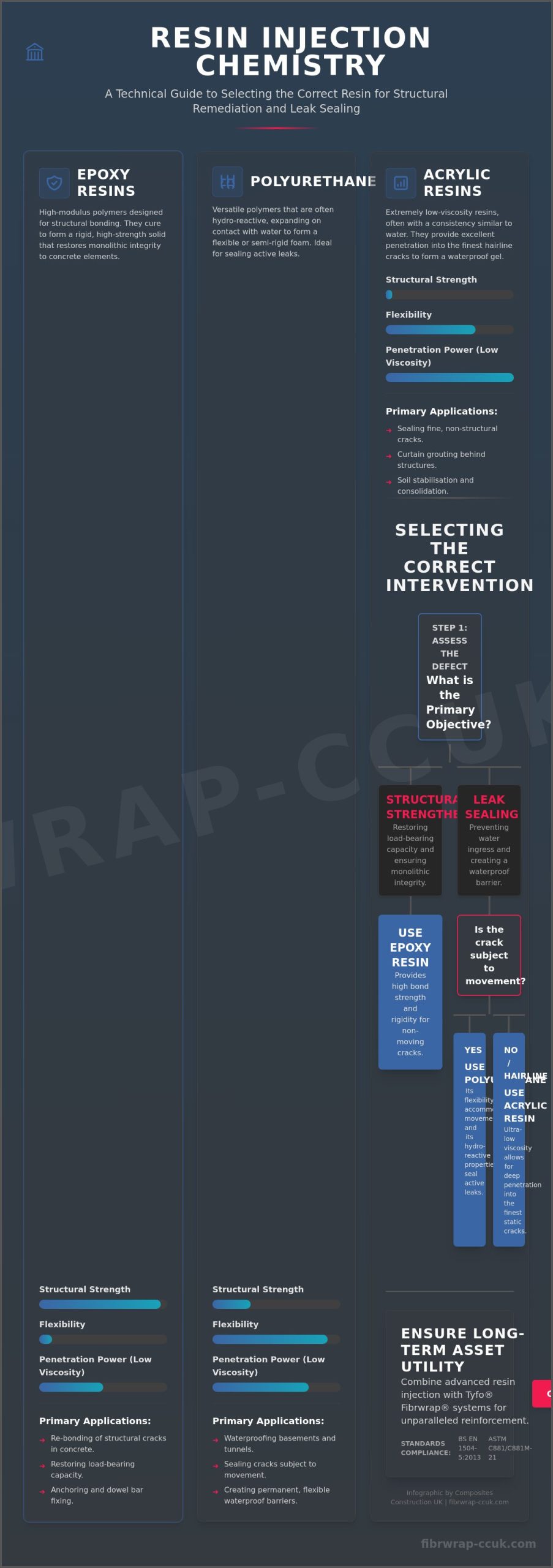
Epoxy resins are the preferred choice for structural strengthening due to their exceptional tensile and compressive strengths. These thermosetting polymers form a cross-linked structure that provides a high modulus of elasticity, often exceeding that of the host concrete. Their negligible shrinkage during the curing process ensures that the bond remains stable over the asset’s remaining service life. Adhesion is typically optimal in dry or slightly damp conditions; this makes them unsuitable for active, high-pressure water leaks but ideal for restoring load-bearing capacity in dormant cracks.
Polyurethane (PU) Resins for Leak Sealing
Polyurethane resins are engineered for leak sealing and the management of hydrostatic pressure. These materials are categorised by their reaction to water: hydrophilic resins absorb moisture and swell to form a flexible seal, whilst hydrophobic resins use water as a catalyst to expand rapidly into a closed-cell foam. This rapid expansion is vital for sealing high-pressure leaks in tunnels and culverts where immediate containment is necessary. Unlike rigid epoxies, PU resins maintain a degree of flexibility. This allows them to accommodate dynamic movement in live cracks or expansion joints without compromising the seal.
Structural Strengthening vs Leak Sealing: Selecting the Correct Intervention
Choosing between structural stabilisation and hydrostatic sealing requires a methodical appraisal of the asset’s current state and intended future performance. The primary objective must be established early in the design phase: is the goal to re-establish the tensile strength of a monolithic element, or is the intervention designed to stop the ingress of groundwater? If the wrong resin injection strategy is selected, the repair may fail to address the underlying engineering challenge, potentially leading to accelerated degradation or the emergence of secondary defects in adjacent sections of the structure.
Determining crack activity is the most critical step in the design of a remediation scheme. Comprehensive structural surveys are utilised to distinguish between dormant cracks, which have ceased to move, and live cracks that fluctuate due to thermal cycling or mechanical loading. In aggressive environments, such as marine infrastructure or industrial processing plants, the selected resin must also exhibit high chemical resistance. Resistance to chlorides and sulphates is essential to ensure the longevity of the repair whilst protecting the internal steel reinforcement from corrosive agents.
Dormant Crack Repair: Restoring Integrity
Dormant cracks represent defects where the original cause of failure has been remediated or has naturally ceased. For these applications, high-modulus epoxy resins are the industry standard because they provide the necessary stiffness to restore structural continuity. It’s vital that the resin reaches the full depth of the concrete section to prevent “surface-only” fixes that leave the internal reinforcement vulnerable. Rigorous quality control, as detailed in the Caltrans Epoxy Injection Inspection Guidance, ensures that the injected material achieves the necessary penetration and bond strength. In historic or complex masonry structures, this technique is often utilised in conjunction with masonry reinforcement to provide a multi-layered stabilisation strategy.
Dynamic Crack Management: Flexibility and Sealing
Structures subject to thermal fluctuation or cyclic loading require a different approach. If a crack isn’t dormant, a rigid epoxy injection will likely fail or cause a new fracture to develop nearby. Instead, flexible polyurethanes or acrylics are specified to accommodate movement whilst maintaining a water-tight seal. These materials are particularly effective for managing “weeping” cracks in subterranean infrastructure, such as basement retaining walls and service tunnels. By matching the resin’s modulus to the structure’s predicted movement, engineers can ensure a durable seal that remains effective throughout the seasonal expansion and contraction of the host material.
The Resin Injection Process: A Step-by-Step Engineering Guide
The execution of a successful resin injection programme is a disciplined engineering exercise that begins long before the pump is activated. Initial site assessments must include a rigorous evaluation of the substrate’s physical condition to ensure the intervention is both appropriate and safe. Testing for concrete carbonation and surface tensile strength via pull-off tests is essential; these metrics determine if the host material possesses the structural capacity to contain the hydraulic pressures exerted during the injection cycle. Without this empirical foundation, the risk of substrate failure or poor resin adhesion is significantly increased, potentially compromising the long-term security of the asset.
Once the substrate’s suitability is confirmed, a port placement strategy is developed based on the measured crack width and the predicted depth of the section. Spacing is typically dictated by the thickness of the concrete, with ports positioned at intervals that ensure overlapping resin travel. This methodical approach guarantees that the entire void is filled, re-establishing the structural continuity discussed in previous sections of this guide. For projects requiring a bespoke execution plan tailored to complex infrastructure, technical professionals are encouraged to contact our specialist engineering team to discuss specific asset requirements.
Surface Preparation and Port Installation
Preparation of the crack face is a critical prerequisite for containing the forces involved. All surface contaminants, including oils, efflorescence, and loose debris, are removed whilst ensuring the crack remains open for resin entry. Engineers then select the appropriate delivery hardware based on the repair’s specific demands:
- Surface-mounted ports: Utilised for thinner concrete sections where the crack is clearly accessible and injection pressures remain moderate.
- Drilled mechanical packers: Employed for deep-section repairs or high-pressure leak sealing, where the packer is inserted into a hole drilled at a 45-degree angle to intercept the crack mid-section.
The crack “flanks” are subsequently sealed with a high-strength epoxy paste. This containment layer is designed to prevent resin blowout, ensuring the material is forced deep into the structural void rather than escaping through the surface interface.
Injection Execution and Pressure Monitoring
The actual injection follows a methodical, bottom-to-top sequence for vertical cracks. By starting at the lowest port and proceeding upwards, the air is displaced by the rising resin, preventing the formation of internal air pockets that could weaken the repair. Consistent pressure monitoring is vital; excessive force can lead to internal delamination of the concrete, whilst insufficient pressure results in incomplete penetration. Resin travel is confirmed when material appears at the adjacent, higher port. Curing times vary amongst different resin types and are heavily influenced by the ambient temperature of the site. Once the curing process is complete, the ports are removed and the surface is ground flush to meet aesthetic and functional requirements.
Extending Asset Lifespans through Specialist Resin Technology
The strategic deployment of resin injection represents a fundamental shift towards a circular economy within the UK construction sector. By prioritising the remediation of existing concrete and masonry, asset controllers can avoid the significant environmental and economic costs associated with total demolition and reconstruction. This life-extension approach is not merely a reactive measure; it’s a sophisticated engineering strategy that preserves the embodied carbon of the original structure whilst ensuring its continued safety. For projects involving increased load requirements or seismic retrofitting, the integration of injection techniques with Tyfo® Fibrwrap® systems provides a multi-layered reinforcement solution that exceeds the performance of traditional repair methods.
Success in complex remediation projects is rarely achieved through generic applications. It requires bespoke design solutions that account for the unique stress profiles and environmental exposures of each asset. Long-term performance is further secured through methodical monitoring and maintenance regimes, which ensure that the injected resins continue to perform their intended function throughout the extended service life of the structure. This disciplined focus on longevity aligns technical capability with broader infrastructure sustainability goals.
A Holistic Approach to Structural Remediation
Comprehensive asset management often necessitates the combination of multiple specialist technologies to address diverse degradation mechanisms. For instance, the remediation of reinforced concrete in saline environments may require pairing resin injection with cathodic protection to manage active corrosion whilst simultaneously restoring structural continuity. The role of the specialist engineering contractor is to deliver these multi-faceted repair schemes with precision, ensuring that each component of the remediation plan works in synergy. This holistic methodology is essential for prolonging the functional lifespan of critical infrastructure, from coastal defences to urban transport networks, in a manner that is both technically robust and environmentally responsible.
Quality Assurance and Technical Validation
Validation of the injection’s efficacy is achieved through rigorous post-intervention testing. Non-destructive testing (NDT) methods, such as ultrasonic pulse velocity or ground-penetrating radar, are utilised to verify the depth of resin penetration and the elimination of internal voids. This empirical evidence provides the reassurance required by asset controllers and insurers alike. The value of professional indemnity and specialist expertise cannot be overstated in this context; it ensures that the remediation is backed by technical rigour and a proven project history. For technical consultations regarding the stabilisation and protection of essential infrastructure, asset controllers are invited to contact CCUK to engage with our specialist engineering team.
Securing Infrastructure Through Precision Engineering
The successful remediation of UK infrastructure depends upon the seamless integration of advanced material science and disciplined site execution. As established throughout this guide, the efficacy of resin injection is determined by the precise alignment of polymer rheology with the specific mechanical demands of the host substrate. Whether addressing dormant structural fractures with high-modulus epoxies or managing dynamic water ingress with flexible polyurethanes, the objective remains the restoration of long-term asset utility. By adhering to rigorous performance standards and methodical application protocols, technical professionals can effectively mitigate the risks associated with water ingress and structural degradation.
Since 2015, CCUK has provided specialist engineering design and installation services, accumulating extensive experience across national infrastructure and pipeline rehabilitation projects. As the exclusive UK licensee for Tyfo® Fibrwrap® systems, our approach combines traditional remediation with cutting-edge composite technology to deliver robust, non-disruptive solutions. Consult with our specialist engineers for bespoke resin injection solutions to ensure the continued safety and performance of your critical assets. By prioritising the sustainability of repair over the costs of replacement, you can ensure that essential structures remain resilient for decades to come.
Frequently Asked Questions
Is resin injection a permanent solution for structural cracks?
Provided the underlying cause of the fracture, such as foundation settlement or thermal stress, has been remediated, resin injection is considered a permanent structural repair. High-modulus epoxy resins are formulated to achieve a bond strength that frequently exceeds the tensile capacity of the host concrete, effectively re-establishing structural continuity. However, if the crack is dynamic and subject to ongoing movement, a flexible sealant must be utilised to ensure long-term performance without secondary fracturing.
How do you choose between epoxy and polyurethane for resin injection?
The selection is dictated by the primary engineering objective of the intervention. Epoxy resins are specified for structural bonding where high compressive and tensile strengths are required in dormant cracks. Conversely, polyurethane resins are the preferred choice for leak sealing and managing hydrostatic pressure. Their ability to expand upon contact with water and maintain flexibility makes them ideal for dynamic cracks where movement accommodation and waterproofing are the priority.
Can resin injection be used on damp or wet concrete?
Specialist resins are specifically engineered for application in damp or saturated environments. Whilst traditional epoxies often require dry conditions for optimal adhesion, moisture-tolerant variants can achieve high bond strengths on damp substrates. For active water ingress, hydro-reactive polyurethanes are utilised; these materials use the presence of moisture as a catalyst for expansion, creating an effective seal even against high-pressure flowing water in subterranean infrastructure.
What is the difference between high-pressure and low-pressure resin injection?
The distinction lies in the delivery mechanism and the depth of the structural defect. Low-pressure injection, often delivered via hand-actuated pumps or spring-loaded injectors, is suitable for shallow cracks in thinner concrete sections. High-pressure mechanical injection utilises specialised pumps and mechanical packers to force resin into deep-seated voids or thick elements. This method is necessary to overcome internal resistance and ensure complete saturation of the structural section amongst complex defects.
How long does the resin injection process take for a typical commercial project?
Project duration is influenced by the extent of the defects and the accessibility of the site. Many localised structural interventions are completed within one to three working days, encompassing surface preparation, port installation, the injection cycle, and subsequent finishing. Curing times are dependent on ambient temperatures and resin chemistry, though most professional systems achieve significant mechanical properties within 24 hours of application, allowing for a rapid return to service.
Does resin injection require any excavation or structural propping?
One of the primary advantages of this methodology is its non-disruptive, in-situ nature. In most instances, excavation and structural propping are not required, as the injection is performed through small-diameter ports or packers. Propping is only necessitated if the structural integrity of the asset is so compromised that it cannot support its own dead load during the remediation process or if the repair forms part of a more extensive strengthening programme involving Tyfo® Fibrwrap® systems.
Is resin injection suitable for heritage masonry or listed buildings?
Resin technology is frequently applied to heritage assets to provide sensitive reinforcement whilst preserving historic fabric. Low-pressure injection of compatible, low-modulus resins allows for the stabilisation of fractured masonry without causing the internal stresses associated with invasive mechanical pinning. The selection of materials for listed buildings is conducted with extreme care to ensure chemical compatibility with historic mortars and stones, avoiding any long-term aesthetic or structural degradation of the asset.
What are the primary causes of resin injection failure in structural repairs?
Failures are typically attributed to inadequate diagnostic assessments or poor execution rather than material deficiency. Common causes include insufficient surface preparation, which prevents proper adhesion, and the incorrect selection of resin for the crack type, such as using a rigid epoxy for a dynamic crack. Additionally, improper port spacing or insufficient injection pressure can result in air pockets and incomplete filling, leaving the internal reinforcement vulnerable to corrosive agents and hydrostatic pressure.