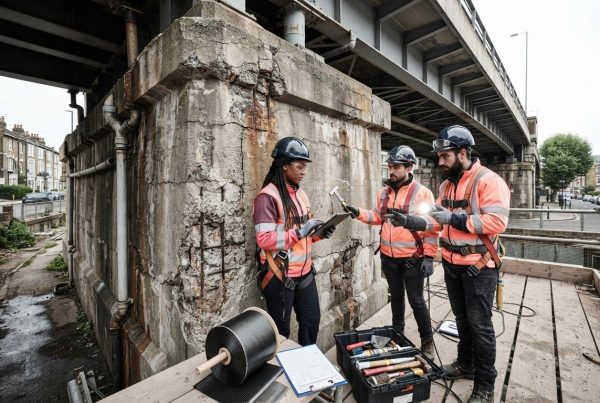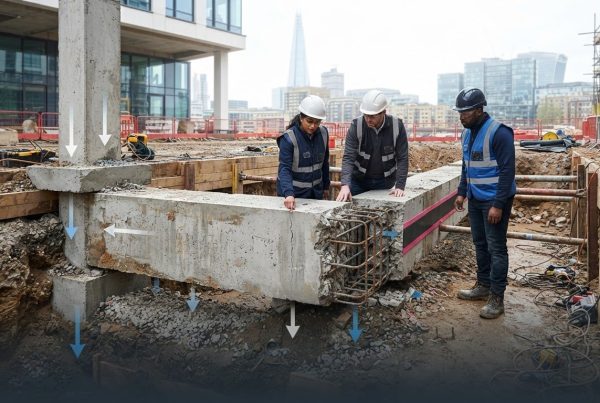

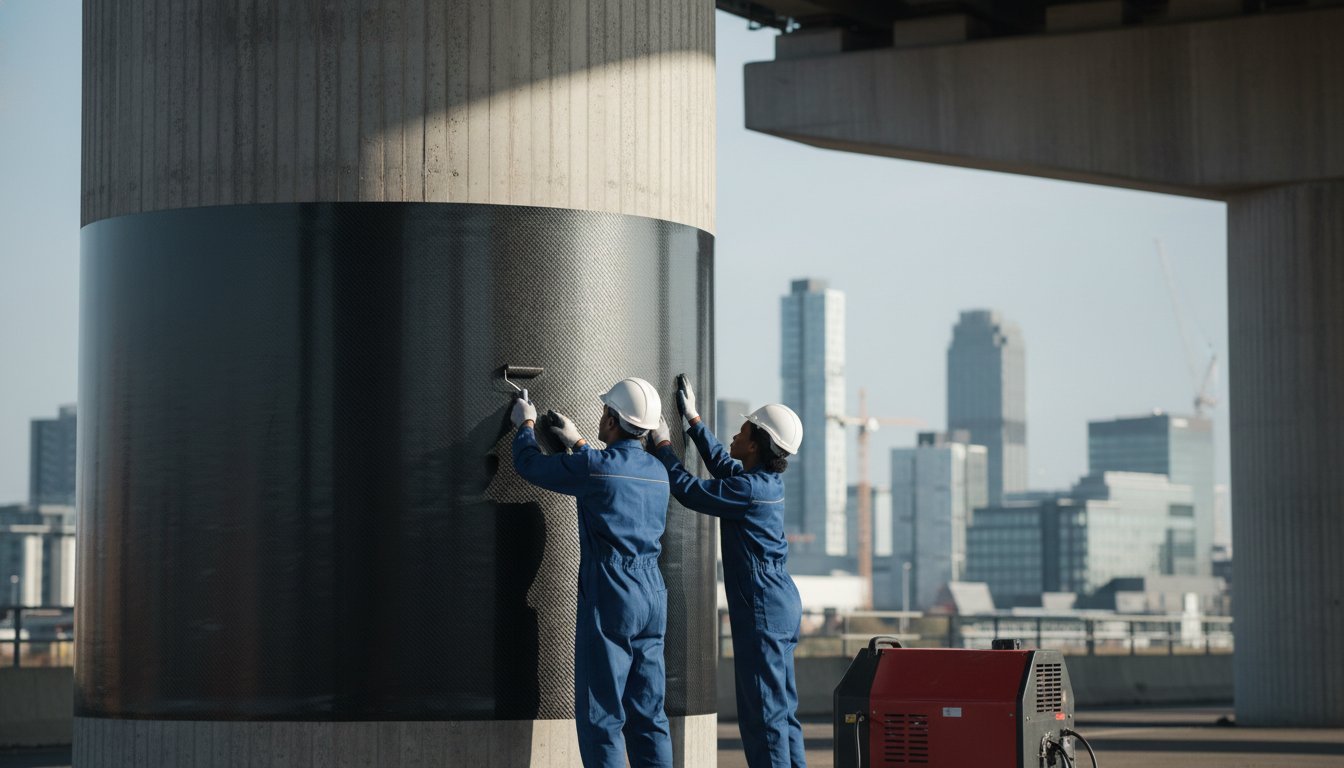
The perceived necessity of decommissioning compromised concrete assets often obscures the technical viability of advanced intervention, representing a significant oversight in both fiscal and environmental stewardship. It’s understood that engineers and asset controllers are currently under immense pressure to maintain safety whilst adhering to the rigorous BS EN 1992 standards, particularly as the UK construction sector continues to experience a prolonged period of contraction. This technical guide provides a comprehensive exploration of structural strengthening design for concrete structures UK, focusing on the methodology required to align advanced composite science with the empirical demands of modern engineering.
You’ll gain a clear understanding of how proprietary technologies, such as Tyfo® Fibrwrap® systems, are deployed to achieve asset life-extension and ensure absolute compliance with the Building Safety Regulator’s requirements. We’ll examine the fundamental principles of CFRP design, the mitigation of carbon costs through repair rather than demolition, and the systematic framework necessary for extending the functional lifespan of essential infrastructure.
Key Takeaways
- Identify the foundational drivers for capacity enhancement, such as structural deterioration or change of use, to ensure the continued safety of existing concrete assets.
- Examine the technical application of the Tyfo® Fibrwrap® system and the necessity of resin-fibre synergy in achieving optimal performance in composite strengthening.
- It’s essential to ensure full regulatory compliance by aligning structural strengthening design for concrete structures UK with the requirements of Eurocode 2 and The Concrete Society’s TR55.
- Recognise the critical role of structural surveys and non-destructive testing in establishing the empirical baseline required for precise engineering specifications.
- Evaluate the strategic importance of asset life-extension as a sustainable alternative to the high embodied carbon associated with demolition and reconstruction.
Principles of Structural Strengthening Design for Concrete Structures
Structural strengthening is defined as the systematic enhancement of the load-bearing capacity of existing concrete members. It’s a critical discipline within civil engineering that addresses the evolving demands placed on infrastructure. To understand the necessity of these interventions, one must appreciate the foundational Reinforced Concrete Principles that govern how steel and concrete interact to resist tensile and compressive forces. Whilst these principles remain constant, the environmental and operational stressors acting upon a structure often necessitate retrospective design modifications to preserve structural integrity.
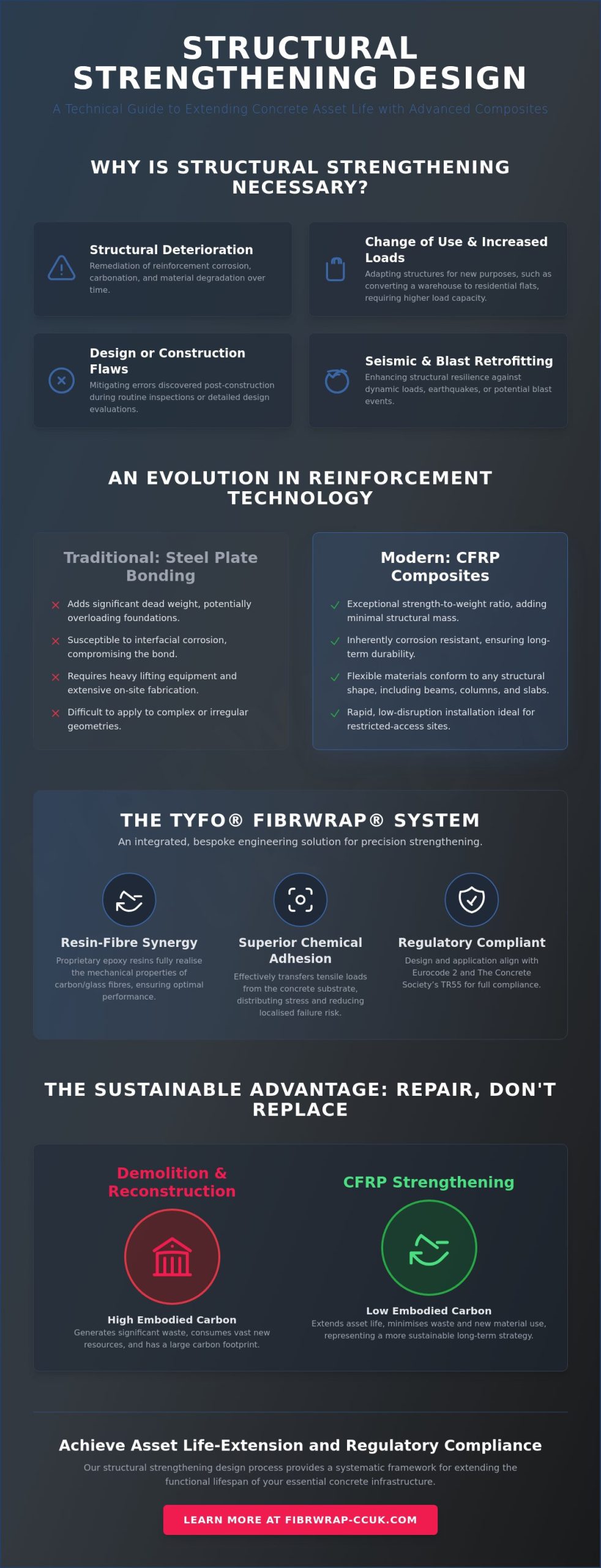
Primary drivers for structural strengthening design for concrete structures UK include the repurposing of existing facilities, seismic retrofitting, and the remediation of structural deterioration. The latter is frequently observed in the form of reinforcement corrosion or carbonation, which compromises the cross-sectional area of steel and the bond strength between materials. Modern engineering has largely shifted away from traditional steel plate bonding, which was often hindered by significant weight penalties and the risk of interfacial corrosion, towards the use of advanced composite materials. The core objectives of any design intervention are to ensure safety, serviceability, and long-term durability whilst minimising the addition of structural weight.
Identifying the Need for Structural Intervention
The requirement for intervention is often precipitated by load increases resulting from revised building regulations or occupancy changes. For instance, the conversion of a legacy industrial warehouse into a high-density residential complex requires a rigorous assessment of the existing floor slabs’ capacity to support new partition loads. Additionally, structural integrity is frequently threatened by carbonation-induced corrosion, where the alkalinity of the concrete is reduced over time, allowing the protective oxide layer on the reinforcement to dissipate. Retrospective strengthening is also utilised to mitigate design flaws or construction errors discovered during routine inspections or through comprehensive design evaluations.
The Role of Composites in Modern Engineering
Carbon Fibre Reinforced Polymer (CFRP) has become the preferred medium for structural strengthening design for concrete structures UK due to its exceptional strength-to-weight ratio and inherent corrosion resistance. Unlike steel, CFRP doesn’t add significant dead weight to the structure, preserving the original design’s serviceability limits and foundation requirements. Engineers typically select between Externally Bonded Reinforcement (EBR), where fabrics or plates are adhered to the concrete surface, and Near-Surface Mounted (NSM) reinforcement, which involves embedding CFRP rods into pre-cut grooves. These composite systems are particularly advantageous for structures with complex geometries or those located in restricted access sites, where heavy lifting equipment cannot be easily deployed.
Advanced Materials: The Tyfo® Fibrwrap® System in Design
The Tyfo® Fibrwrap® system represents a paradigm shift in the field of structural strengthening design for concrete structures UK, moving beyond generic composite applications to provide a fully integrated, bespoke engineering solution. Central to its success is the concept of resin-fibre synergy; the mechanical properties of the carbon or glass fibres are fully realised through the application of proprietary, high-performance epoxy resins. This interaction ensures that tensile loads are effectively transferred from the concrete substrate into the composite matrix, allowing for the precise calibration of structural performance. When evaluating modern Concrete Strengthening Techniques, the superiority of the Tyfo® system becomes evident in its ability to address specific bending or shear deficiencies without the invasive requirements of traditional methods.
It’s a system of precision. Whilst traditional methods often rely on mechanical anchorage, the Tyfo® system utilises chemical adhesion to distribute stresses across a larger surface area, thereby reducing the risk of localised failure. This makes it an ideal choice for critical infrastructure projects where seismic retrofitting or blast mitigation is a primary design objective. The system’s ability to absorb and dissipate energy under extreme loading conditions is validated by extensive empirical testing, providing the assurance of reliability required by UK asset controllers.
Material Properties and Engineering Performance
The engineering performance of Tyfo® composites is predicated on exceptional tensile strength and a high modulus of elasticity, which allow for significant capacity increases within a minimal structural profile. These CFRP fabrics are engineered to withstand harsh industrial or coastal environments, offering superior chemical resistance compared to conventional steel reinforcement. Because these systems are lightweight, they maintain the original structural profiles without adding significant dead load, a factor that is often critical when designing for complex interventions in weight-sensitive structures.
Bespoke Solutions for Complex Infrastructure
Design flexibility is a hallmark of the Tyfo® system, enabling engineers to tailor fabric orientations to meet specific axial, flexural, or shear requirements. Column confinement is achieved through circumferential wrapping, which significantly increases axial load capacity by providing passive lateral pressure. Similarly, concrete beams are strengthened for flexural enhancement through the application of longitudinal strips, whilst shear deficiencies are addressed using U-wraps or complete encasement. This technology is equally effective for large-scale water assets and pipeline rehabilitation, where the system’s ability to resist internal pressure and external loads is paramount. For a more detailed look at these applications, you might explore our technical design features to understand the empirical data behind these interventions.
UK Regulatory Framework and Design Standards
Adherence to established design codes is non-negotiable for any structural strengthening design for concrete structures UK, as these standards provide the empirical framework necessary to ensure public safety and asset longevity. The primary regulatory landscape is governed by BS EN 1992 (Eurocode 2) and its associated UK National Annex, which dictates the fundamental requirements for the design of concrete structures. Whilst Eurocode 2 provides the basis for new construction and general repair, the specific application of fibre-reinforced polymers (FRP) necessitates a more specialised approach. This is where UK Design Standards for Concrete Strengthening, alongside the Concrete Society’s Technical Report 55 (TR55), become the definitive technical references for engineers and asset controllers alike.
The regulatory environment has become increasingly stringent following the full operational commencement of the Building Safety Regulator (BSR). Under the Building Safety Act 2022, any structural modification to higher-risk residential buildings must be documented with absolute precision to satisfy the “golden thread” of information. This includes the rigorous application of CS 448 for the inspection and maintenance of reinforced concrete structures, ensuring that any deterioration is identified and remediated through compliant design interventions. It’s no longer sufficient to simply apply a repair; the intervention must be part of a validated, evidence-based strategy that meets the latest NHBC Standards 2026 and Building Safety Levy requirements where applicable.
Technical Standards: TR55 and Beyond
TR55 serves as the cornerstone for composite strengthening in the UK, providing detailed guidance on the design of externally bonded FRP. These codes dictate the partial safety factors for materials, which are essential for accounting for the long-term environmental effects on composite resins and fibres. Engineers must also navigate the complex requirements for fire protection in composite-strengthened buildings. Because CFRP systems can lose structural effectiveness at elevated temperatures, the design must incorporate adequate passive fire protection measures to maintain the integrity of the strengthening system for the required duration, as specified by UK Building Regulations.
Quality Assurance and Installation Standards
The technical integrity of a design is only as robust as its execution on-site. The necessity of using specialist engineering contractors for installation cannot be overstated, as the performance of the Tyfo® Fibrwrap® system is dependent on precise surface preparation and resin application. Quality assurance is maintained through rigorous site testing, including pull-off tests to verify the bond strength between the concrete substrate and the composite wrap. These empirical verifications ensure that the structural strengthening design for concrete structures UK achieves its intended performance criteria, providing the long-term security required for essential infrastructure.
The Design Process: From Structural Survey to Specification
The transition from diagnostic investigation to engineering specification represents the most critical phase of structural strengthening design for concrete structures UK. It requires a forensic approach to data acquisition, ensuring that the proposed intervention is predicated on empirical evidence rather than theoretical assumptions. A robust design process bridges the gap between identifying a deficiency and implementing a high-performance composite solution, such as the Tyfo® Fibrwrap® system. This methodical progression ensures that every strengthening project adheres to the stringent safety requirements mandated by the Building Safety Regulator whilst optimising the use of advanced materials.
Phase 1: Data Acquisition and Feasibility
Initial structural surveys are conducted to establish a definitive baseline of the asset’s current condition. This phase involves a combination of visual inspections and non-destructive testing (NDT) to determine existing concrete strength and reinforcement layout. Carbonation testing and chloride analysis are essential for assessing the chemical health of the concrete, as these factors directly influence the bond integrity of externally bonded composites. Whilst original as-built drawings provide a starting point, the actual structural performance is often found to deviate significantly due to decades of operational loading. Only through this rigorous assessment can the feasibility of composite strengthening be confirmed as a superior alternative to more invasive traditional methods.
Phase 2: Engineering Calculations and Modelling
Once the baseline data is verified, survey findings are translated into precise engineering calculations. This stage involves determining the required area of CFRP to meet revised load requirements, accounting for the strain compatibility between the existing concrete, the internal steel reinforcement, and the new composite layers. Sophisticated structural modelling is utilised to predict the behaviour of the strengthened member under ultimate and serviceability limit states. By incorporating bespoke design solutions into the final model, engineers can ensure that the supplementary reinforcement provides the necessary capacity increase without compromising the ductility of the structure.
Phase 3: Final Specification and Temporary Works
The final phase of the design process involves drafting a technical specification that dictates every aspect of the installation. This includes defining surface preparation requirements, where grit blasting or mechanical abrasion is specified to achieve the necessary substrate profile for optimal resin adhesion. Additionally, the design of temporary works and propping is often required to support the structure whilst the composite system reaches its full design strength. This comprehensive document serves as the definitive guide for the installation team, ensuring that the theoretical design is accurately realised in the physical environment. If you require technical assistance with your current project specifications, consult our engineering specialists for a comprehensive review of your structural requirements.
Sustainable Asset Management and Structural Life-Extension
The transition towards a circular economy in the UK construction sector is predicated on the intelligent preservation of existing assets rather than the carbon-intensive cycle of demolition and replacement. Structural strengthening design for concrete structures UK serves as a primary driver for this shift, providing a technically robust pathway to extend the functional utility of infrastructure that would otherwise be deemed obsolete. Given the current economic climate and the prolonged contraction in construction output, the fiscal and environmental stewardship of existing concrete assets has become a priority for sophisticated asset controllers. By focusing on life-extension, the industry can significantly reduce the demand for new cement production, which saw a 9.9% decline in 2025, whilst maximising the return on initial capital investment.
The economic case for life-extension is compelling. When compared to the costs associated with full site clearance and reconstruction, the application of composite strengthening systems offers a more efficient allocation of resources. This approach not only preserves the embodied carbon within the original reinforced concrete frame but also future-proofs the asset against increased urban loading and the escalating physical risks associated with climate change. It is an engineering strategy that aligns commercial viability with the mandatory requirements for infrastructure resilience.
The Environmental Impact of Repair over Replacement
Quantifying the carbon savings achieved through CFRP strengthening is a fundamental component of modern sustainability reporting. The embodied carbon of a carbon fibre intervention is a fraction of that required for a new-build alternative, particularly when the logistical and waste-management impacts of demolition are considered. Effective concrete repairs and strengthening work in tandem to arrest degradation and restore structural stature. This synergy is essential for meeting UK Net Zero targets, as it allows for the continued use of essential infrastructure with minimal environmental disruption. The use of the Tyfo® Fibrwrap® system specifically enables these goals by providing high-performance reinforcement without the heavy material footprint of steel or additional concrete encasement.
Long-Term Monitoring and Maintenance
The efficacy of any strengthening intervention is dependent on a disciplined programme of long-term monitoring. Designing for inspectability is a critical requirement; engineers must ensure that composite systems can be monitored in situ to verify bond integrity and load transfer performance over time. Regular structural surveys and non-destructive testing are utilised to detect early signs of delamination or environmental degradation, preventing the risk of catastrophic failure. By maintaining a rigorous maintenance schedule, the long-term bond integrity of externally applied systems is assured, providing the absolute reliability required for critical infrastructure. This methodical approach ensures that the structural strengthening design for concrete structures UK remains effective throughout the asset’s extended lifespan.
Advancing Infrastructure Resilience through Technical Excellence
The successful implementation of a structural strengthening design for concrete structures UK relies on the seamless integration of advanced material science with the rigorous requirements of the Building Safety Act and TR55. It’s clear that the transition from empirical diagnostic data to a bespoke engineering specification is the only way to ensure the long-term viability of critical infrastructure. By prioritising the Tyfo® Fibrwrap® system, asset controllers can achieve significant carbon savings whilst ensuring absolute compliance with current Eurocode standards.
As the exclusive UK licensee for Tyfo® Fibrwrap® systems, we provide a comprehensive design, supply, and installation service backed by over 25 years of specialist engineering expertise. Every project is managed with the technical rigour required to ensure long-term security for technical professionals and asset controllers. Contact our expert engineering team for a bespoke structural strengthening design consultation to discuss how sophisticated science can extend the functional lifespan of your essential assets. We look forward to securing the future of your infrastructure with proven results.
Frequently Asked Questions
What is the primary advantage of CFRP over steel for structural strengthening in the UK?
The primary advantage of Carbon Fibre Reinforced Polymer (CFRP) over steel is its exceptional strength-to-weight ratio, which allows for substantial capacity increases without the addition of significant dead load. Unlike steel plates, CFRP is inherently resistant to corrosion, eliminating the risk of interfacial bond failure caused by oxidisation. This characteristic is particularly beneficial in aggressive UK coastal or industrial environments where traditional metallic reinforcement would require intensive long-term maintenance.
How long does a typical structural strengthening design project take to complete?
The duration of a structural strengthening design project varies significantly based on the complexity of the asset and the availability of as-built documentation. Typically, the transition from the initial structural survey and non-destructive testing through to the final engineering specification requires several weeks of methodical analysis. This timeline ensures that all calculations are validated against empirical data and that the resulting design complies with the most recent Building Safety Regulator requirements.
Which UK regulations govern the design of composite strengthening systems?
Structural strengthening design for concrete structures UK is governed primarily by BS EN 1992 (Eurocode 2) and the Concrete Society’s Technical Report 55 (TR55). These standards are supplemented by CS 448 for the inspection and maintenance of reinforced concrete and the Building Safety Act 2022 for higher-risk buildings. Adherence to these codes ensures that the supplementary reinforcement integrates safely with the existing structural matrix whilst meeting all statutory safety obligations.
Can structural strengthening be applied to historic or listed concrete buildings?
Structural strengthening can be successfully applied to historic or listed concrete buildings, provided the intervention respects the architectural integrity of the asset. The low profile of Tyfo® Fibrwrap® systems makes them an ideal choice for sensitive structures where traditional, bulky steel sections would be visually or structurally intrusive. Because these systems are non-invasive and lightweight, they often satisfy the requirements of conservation officers whilst restoring the necessary load-bearing capacity.
What level of surface preparation is required for concrete strengthening design?
A high level of surface preparation is mandatory to ensure the effective bond of composite systems to the concrete substrate. The design specification typically requires the removal of all laitance, contaminants, and loose material through grit blasting or mechanical abrasion until a Concrete Surface Profile (CSP) of 3 to 5 is achieved. This process exposes the aggregate and provides the mechanical interlock necessary for the resin to transfer stresses effectively into the composite matrix.
How does temperature and environment affect the design of composite wraps?
Environmental conditions significantly influence the design of composite wraps, particularly regarding the glass transition temperature (Tg) of the epoxy resins. Design calculations must account for the maximum service temperature of the structure to ensure the resin remains in a glassy, load-bearing state. Additionally, the application phase requires controlled humidity and temperature to facilitate optimal curing, ensuring that the finished structural strengthening design for concrete structures UK performs as predicted under ultimate limit states.
Is it possible to strengthen concrete structures whilst they remain in use?
It’s entirely possible to strengthen concrete structures whilst they remain in operational use, which is a significant advantage over demolition or major reconstruction. The installation of CFRP systems typically requires minimal heavy plant and generates significantly less noise and vibration than traditional methods. This allows for essential infrastructure, such as bridges or commercial facilities, to maintain functional utility throughout the duration of the strengthening works, minimising economic disruption for the asset owner.
What is the expected lifespan of a CFRP-strengthened concrete structure?
The expected lifespan of a CFRP-strengthened concrete structure is designed to match or exceed the remaining service life of the host asset, often exceeding 50 years with proper maintenance. Because the composite materials are highly resistant to fatigue and chemical degradation, the supplementary reinforcement remains effective long after installation. The long-term performance is further secured through the use of proprietary systems like Tyfo® Fibrwrap®, which are validated by decades of empirical performance data in diverse global climates.