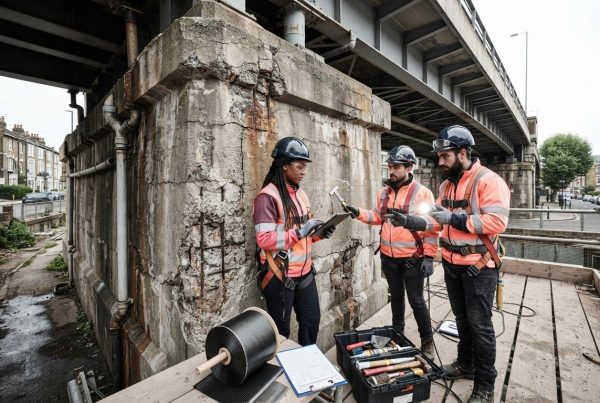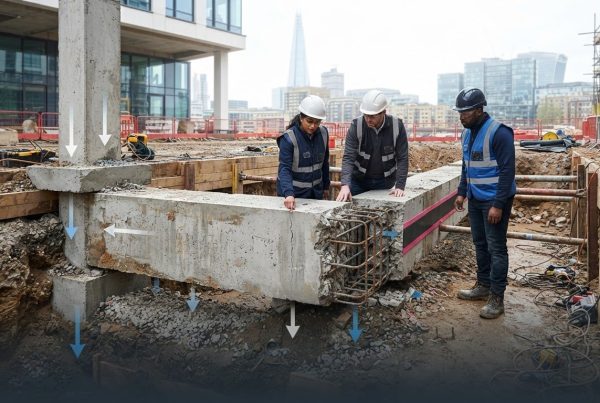

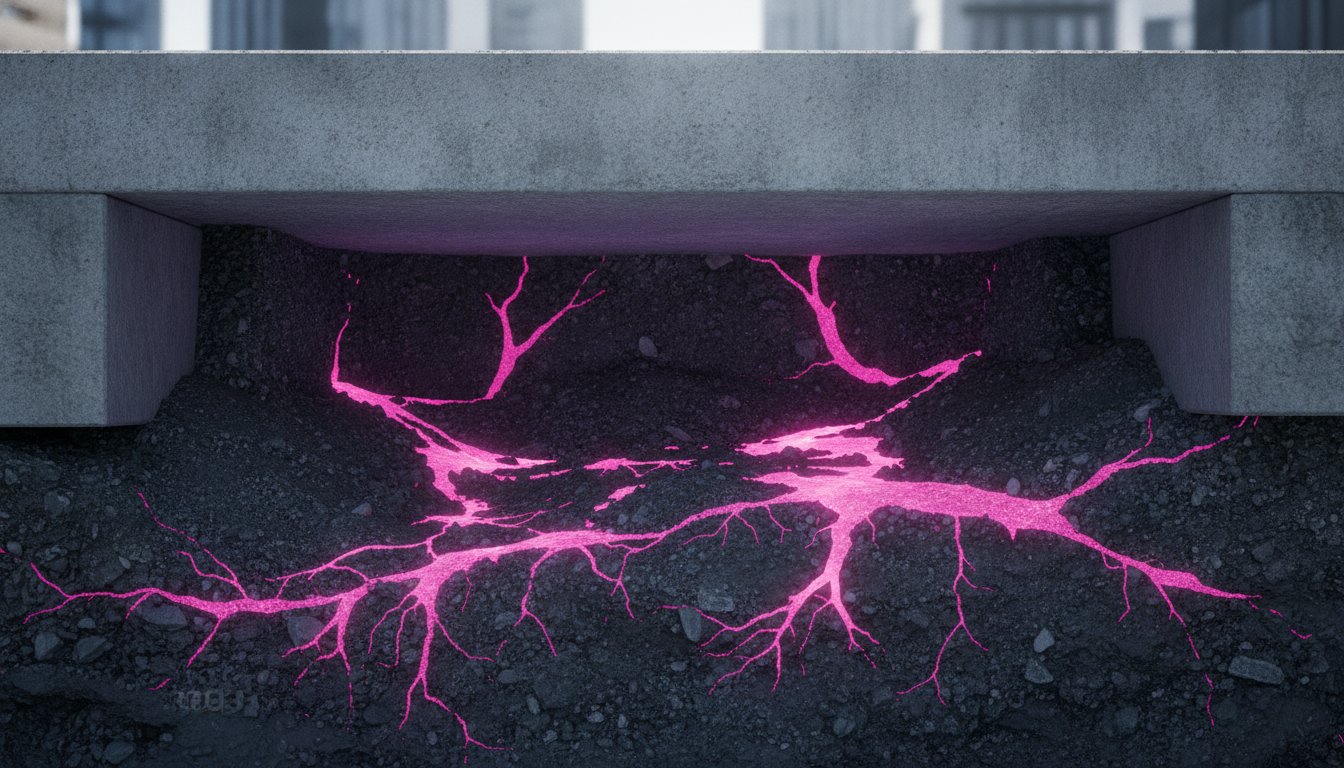
The traditional reliance on mass excavation and heavy concrete underpinning is increasingly viewed as an outdated, high-risk approach to modern infrastructure maintenance. Asset controllers and structural engineers often face the daunting reality of structural movement, where the immediate instinct is to excavate, yet the resulting operational downtime and spiralling costs are frequently more disruptive than the initial subsidence. It’s a common frustration that traditional methods prioritise brute force over the precision required for sensitive or high-value environments.
This technical guide provides an exhaustive overview of how advanced resin injection for concrete crack repair and ground consolidation offers a validated, non-invasive alternative that restores load-bearing capacity whilst securing the structural integrity of the asset. You’ll gain a deeper understanding of how these precision-engineered polymers interact with uncompacted soils to provide immediate stabilisation without the need for invasive works. We will examine the material properties of high-performance resins, the specific engineering methodologies for deep-ground injection, and the empirical evidence that supports these interventions as a cornerstone of sustainable asset life-extension and infrastructure safety.
Key Takeaways
- Understand how precision permeation grouting techniques consolidate uncompacted soils and increase ground-bearing capacity without the requirement for traditional excavation.
- Explore the material science behind expanding polyurethane and acrylate resins, focusing on their reaction kinetics and suitability for diverse subterranean environments.
- Evaluate the operational advantages of non-invasive stabilisation, which often reduces project timelines from weeks to days whilst significantly minimising site disruption.
- Learn why professional geotechnical surveys and GPR are essential for designing bespoke injection patterns, especially when integrating resin injection for concrete crack repair into a broader remediation strategy.
- Discover how ground stabilisation acts as a strategic intervention to extend the functional lifespan of infrastructure assets by providing a secure foundation for subsequent structural repairs.
Understanding Resin Injection for Ground Stabilisation: A Technical Overview
Resin injection is formally categorised as a precision permeation grouting technique, designed to consolidate uncompacted soils through the targeted introduction of low-viscosity polymers. Whilst traditional cementitious grouting relies on a suspension of solids that can be limited by the particle size of the grout itself, modern Polymer Soil Stabilization systems utilise high-performance resins that penetrate the microscopic voids within a soil matrix. The primary objective of such interventions is to fundamentally enhance the ground-bearing capacity and eliminate subterranean voids that threaten the long-term stability of the built environment. This transition from traditional cementitious grouting to advanced, high-performance polymer systems represents a shift towards more predictable, engineering-led outcomes.
A critical technical advantage of modern polymer systems is the availability of hydrophobic formulations. These materials are specifically engineered to react and cure independently of groundwater, which often makes dewatering unnecessary even when working amongst heavily saturated subterranean environments. It’s particularly advantageous when performing resin injection for concrete crack repair or ground consolidation in high-water-table areas across the UK. By opting for these versatile polymers over cementitious alternatives, engineers can achieve rapid stabilisation with significantly reduced site preparation requirements and improved environmental safety.
The Mechanism of Soil Permeation
The process begins as the liquid resin is injected under controlled pressure through a series of strategically placed lances. The resin travels through the pores of granular soils, displacing air and water to create a cohesive, reinforced matrix. As the chemical reaction proceeds, the material undergoes a controlled expansion, generating internal pressure that compacts the surrounding uncompacted materials. It’s paramount that this expansion is managed with precision to maintain structural equilibrium; the injection volume and pressure are monitored in real-time to ensure the ground is stabilised without inducing secondary stresses or heave on the existing asset.
Key Applications in UK Infrastructure
These techniques are increasingly prioritised for the maintenance and life-extension of the UK’s critical infrastructure. Common applications include:
- The stabilisation of bridge abutments and railway embankments where historical poor compaction or ongoing soil erosion threatens the safety of the network.
- Remediating subsidence within commercial and industrial floor slabs, providing a method for rapid floor re-levelling that avoids the significant operational downtime of slab replacement.
- Sealing active leaks and stabilising the surrounding soil for buried assets, including culverts and tunnels, where resin injection for concrete crack repair is frequently integrated into a comprehensive structural remediation programme.
Every intervention is underpinned by a bespoke design and engineering consultancy process. This ensures that the specific resin chemistry and injection pattern are tailored to the unique geotechnical profile of the site, providing a long-term solution that preserves the integrity of essential infrastructure.
The Material Science: Selecting Resins for Soil Stabilisation
The success of a ground consolidation project is fundamentally dependent on the precise selection of polymer chemistry, tailored to the specific geotechnical profile and environmental conditions of the site. It’s not a matter of universal application; rather, it requires a sophisticated understanding of chemical behaviour and reaction kinetics. Engineers must evaluate whether the primary objective is void filling, compaction, or permeation. Once cured, these advanced geotechnical polymers become entirely inert, ensuring they remain safe even when deployed amongst sensitive groundwater systems. This long-term durability is further supported by high creep resistance, which allows the treated soil to maintain its structural integrity over the asset’s extended functional lifespan.
Whilst the chemistry of resin injection for concrete crack repair focuses predominantly on adhesion and tensile strength, geotechnical resins are prioritised for their expansion kinetics and compressive capacity. To determine the optimal polymer specification for your specific project requirements, it’s advisable to consult with our bespoke design and engineering consultancy team.
Polyurethane Resins: Strength and Expansion
Expanding polyurethane (PU) resins are characterised by their closed-cell structure, which provides high-strength, lightweight structural support without adding significant mass to the sub-strata. The reaction kinetics of these resins are highly adjustable; catalysts are utilised to fine-tune the expansion time to suit specific site temperatures and varying soil moisture levels. This control ensures that the material reaches its target density at the precise depth required for stabilisation. High-density polyurethane resins engineered for soil remediation provide a robust compressive strength that effectively mirrors the load-bearing requirements of the original sub-strata, ensuring long-term structural stability under static and dynamic loads. The resulting matrix is resistant to water erosion, making it an ideal solution for assets prone to fluctuating water tables.
Acrylate Gels: Precision and Penetration
Acrylate resins and gels offer a distinct set of properties, most notably a water-like viscosity that facilitates deep penetration into silty or fine-grain soils where thicker resins cannot travel. These materials are particularly effective for high-precision leak sealing and the consolidation of sands. Acrylate gels are often employed alongside resin injection for concrete crack repair when the objective involves sealing active water ingress in fine-grain soil environments. The ability to control gel times with millisecond precision allows engineers to create highly defined stabilisation zones, preventing the material from migrating beyond the intended treatment area. This level of precision is essential for complex infrastructure projects, such as tunnel remediation or the stabilisation of soil around buried culverts, where maintaining the equilibrium of the surrounding ground is a critical safety requirement.
Comparing Resin Injection with Traditional Foundation Underpinning
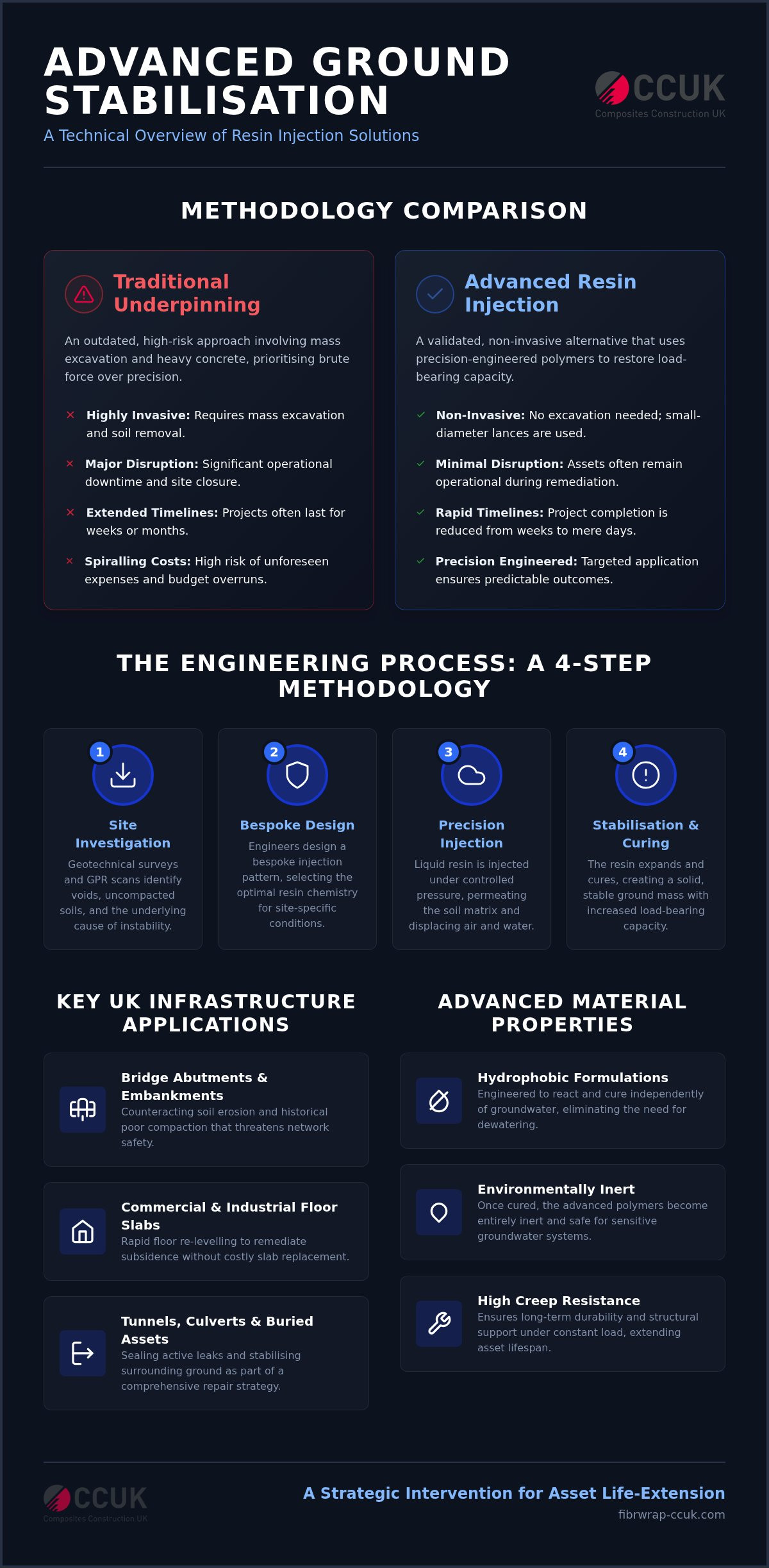
Evaluating the remediation of structural movement requires a rigorous comparison between invasive traditional underpinning and modern resin injection techniques. Whilst traditional methods involve the physical extension of foundations into more stable strata through mass concrete or piling, resin injection focuses on the mechanical improvement of the existing soil matrix. This fundamental difference in engineering philosophy leads to significantly divergent outcomes regarding site disruption and structural performance. Traditional underpinning frequently necessitates extensive temporary works, significant waste disposal of excavated materials, and the presence of heavy plant machinery, all of which contribute to project durations spanning several weeks. In contrast, resin injection can often be completed within days.
By eliminating the requirement for large-scale excavation, the associated costs of spoil removal and backfilling are removed, whilst the curing kinetics of the polymers allow for almost immediate load-bearing capacity. It’s important to recognise that whilst traditional methods simply add mass to the structure, resin injection enhances the soil itself through permeation and compaction. This process is often integrated alongside resin injection for concrete crack repair to ensure that both the subterranean environment and the visible asset are secured.
Operational Advantages for Asset Managers
For transport hubs and industrial facilities, the ability to maintain operational continuity is paramount. Utilising resin injection for concrete crack repair alongside ground consolidation allows for interventions to be conducted in confined spaces or occupied buildings without the need for significant structural alterations. Small-bore access lances, typically between 6mm and 16mm in diameter, are used to deliver the polymer, which avoids the noise and vibration associated with traditional groundwork. The absence of heavy excavators and piling rigs reduces site safety risks and ensures that the functional lifespan of the asset is extended with minimal impact on daily operations.
Engineering Constraints and Considerations
Despite its advantages, resin injection isn’t a universal solution for every structural failure. In cases of extreme structural collapse or where specific geological conditions like highly expansive clays are present, traditional underpinning may still be the most appropriate engineering choice. The selection of the stabilisation method must be predicated on accurate geotechnical data and a comprehensive structural survey. This ensures that the chosen intervention aligns with the long-term sustainability goals of the asset, providing a permanent solution rather than a temporary fix. Evaluating the long-term sustainability and life-cycle of polymer-based solutions is a critical step in any asset management strategy.
The Engineering Process: Site Investigation and Injection Methodology
Successful ground stabilisation is predicated on a disciplined engineering workflow that translates geotechnical data into a precise intervention. The process commences with a non-destructive site investigation, utilising Ground Penetrating Radar (GPR) to identify subterranean voids and buried infrastructure. This is complemented by dynamic probing, which provides a high-resolution profile of soil density and bearing capacity across the target area. These empirical findings form the basis of a bespoke injection pattern, ensuring that the intervention is targeted specifically at the zones of highest risk. It’s this data-driven approach that distinguishes professional engineering from speculative repair.
The Design and Feasibility Phase
The design and feasibility phase requires the calculation of exact resin volumes and injection pressures, tailored to the specific reaction kinetics of the chosen polymer. It’s during this stage that the critical zone for stabilisation is identified, ensuring that the structural load is effectively transferred to deeper, more competent strata. For complex infrastructure projects, our bespoke design services provide the necessary engineering rigour to manage high-stakes remediation. This phase is essential for integrating ground consolidation with resin injection for concrete crack repair, providing a unified solution that addresses both the cause and the symptom of structural distress. By defining the stabilisation zone with precision, we ensure total structural safety whilst avoiding the over-application of materials.
Execution and Quality Control
Execution is characterised by methodical precision. Injection lances are installed at pre-determined angles and depths to facilitate uniform permeation throughout the soil matrix. As the resin is delivered, real-time monitoring is conducted using precision laser levels and electronic sensors. This allows engineers to observe the most minute structural responses, ensuring that the ground is consolidated without inducing unintended heave. Following the completion of the works, post-injection testing, such as repeat dynamic probing, is performed to verify that the target bearing capacity has been achieved against the original design specifications. Detailed documentation of injection volumes and lift data is then compiled to provide a permanent safety record for the asset controller. To discuss the specific geotechnical requirements of your next project, please contact our engineering team for a technical consultation.
Asset Life-Extension: Ground Stabilisation as a Strategic Intervention
Ground stabilisation should be viewed as a foundational component of a comprehensive asset management strategy rather than an isolated remedial task. When integrated with broader structural repairs, it ensures that the primary cause of structural distress is resolved before surface-level interventions, such as resin injection for concrete crack repair, are applied. This is particularly critical when implementing concrete repair programmes; addressing visible delamination or spalling without first securing the underlying strata often leads to premature failure of the new materials. By consolidating the ground first, the functional lifespan of the entire structure is significantly extended.
This strategic sequence is also essential for assets requiring Carbon Fibre Reinforced Polymer (CFRP) strengthening. On bridges and commercial buildings, the application of CFRP systems relies on a stable substrate and a foundation that can accommodate the redistributed loads. Ground remediation acts as a vital precursor in these instances, providing the geotechnical stability necessary for advanced composite systems to perform as designed. There is a compelling economic case for this engineering-led life-extension, as the capital expenditure required for targeted stabilisation and strengthening is a fraction of the cost associated with total demolition and reconstruction. It also aligns with sustainability goals by reducing the carbon footprint of the asset over its lifecycle.
A Holistic Approach to Structural Integrity
Solving complex asset failures requires the seamless integration of geotechnical and structural engineering disciplines. Specialist contractors play a pivotal role in coordinating these multi-disciplinary repairs, ensuring that the interaction between the soil and the structure is fully understood. This holistic approach is increasingly important for future-proofing UK infrastructure against climate-related challenges, such as fluctuating moisture levels in clay soils and increased groundwater levels. By combining ground consolidation with resin injection for concrete crack repair, engineers can create a resilient system that withstands environmental stressors. The resulting synergy between the ground and the structure is what guarantees long-term reliability.
Next Steps for Asset Controllers
Proactive management is the most effective way to mitigate the risks of structural movement. Asset controllers should prioritise professional condition surveys to identify early signs of subsidence or voiding before they escalate into critical failures. Once a potential issue is identified, it’s advisable to contact our engineering team for a technical consultation and bespoke feasibility study. Developing a long-term maintenance and monitoring plan ensures that the security of the asset is maintained. This allows for minor, targeted interventions that prevent the need for large-scale, disruptive works in the future.
Securing Infrastructure Through Engineering Precision
The transition from invasive excavation to precision-engineered resin injection represents a significant advancement in the maintenance of the UK’s critical infrastructure. By prioritising data-driven site investigations and bespoke polymer selection, asset controllers can achieve immediate ground consolidation whilst avoiding the operational disruption and high capital costs of traditional underpinning. It’s clear that the synergy between subterranean stabilisation and surface interventions, such as resin injection for concrete crack repair, is essential for ensuring the long-term structural integrity of high-value assets.
With over 10 years of specialist structural engineering expertise and a position as the exclusive UK licensee for Tyfo® Fibrwrap® systems, our team delivers national coverage underpinned by rigorous engineering standards. We focus on extending the functional lifespan of essential infrastructure through scientifically validated remediation strategies. To ensure your asset remains secure against future environmental stressors, you are invited to consult our specialist engineers for a bespoke ground stabilisation design. Taking a proactive approach today prevents the structural failures of tomorrow.
Frequently Asked Questions
Is resin injection for ground stabilisation permanent?
Yes, it’s considered a permanent structural intervention. Resins are chemically inert once cured and exhibit high resistance to biological degradation and chemical erosion. They maintain structural integrity for the remaining functional lifespan of the asset. Unlike traditional cementitious grouts, these advanced polymers don’t shrink or wash away over time, ensuring the ground-bearing capacity remains consistent under both static and dynamic loading conditions.
How much lift can be achieved with resin injection for floor slabs?
Precision lift can be achieved up to several centimetres, though the primary objective is often stabilisation rather than extreme height correction. Real-time monitoring with laser levels and electronic sensors allows for millimetre precision during the injection process. The delivery is methodical to avoid over-stressing the slab; we typically aim to restore levels to the original design specifications whilst ensuring total void closure.
Does resin injection require planning permission or building regulations approval?
Generally, it doesn’t require planning permission, but Building Regulations approval is often necessary for structural works. It’s classed as a repair or maintenance activity. However, for commercial or infrastructure projects, engineers must ensure compliance with relevant British Standards and structural safety codes. Check with local authorities for specific asset requirements to ensure all statutory obligations are met before the commencement of any ground stabilisation works.
Can resin injection be used in all soil types, including clay and peat?
It’s effective in a wide range of soils, though the resin chemistry must be matched to the geotechnical profile. Whilst granular soils are ideal for permeation, expanding resins are used in clays to compact the soil through displacement. Peat is more challenging and requires specialist assessment to determine if resin injection for concrete crack repair or ground consolidation is the viable choice compared to traditional piling.
Will the stabilisation process cause damage to underground utilities?
No, provided a rigorous site investigation is conducted prior to injection. We use Ground Penetrating Radar (GPR) and utility maps to identify buried assets. Injection lances are strategically placed to bypass cables, pipes, and ducts. The low-pressure delivery of resin ensures that utilities aren’t subjected to damaging forces, maintaining the integrity of essential services whilst the surrounding ground is consolidated through precision engineering.
How soon can a floor slab be used after resin injection?
Most floor slabs can return to full operational use within 15 to 30 minutes of the injection being completed. The fast-acting reaction kinetics of modern polymers mean they reach 90% of their compressive strength almost immediately. This minimal downtime is a primary advantage for industrial facilities and transport hubs where operational continuity is critical and long periods of closure are economically unviable for the asset controller.
Is resin injection environmentally friendly and safe for groundwater?
Yes, modern geotechnical resins are formulated to be environmentally inert once cured. Hydrophobic resins don’t leach chemicals into the surrounding soil or water table. They’re specifically tested for use amongst sensitive groundwater systems. This ensures that the stabilisation process meets stringent UK environmental regulations and sustainability standards, providing a secure solution that doesn’t compromise the local ecology or the quality of subterranean water sources.
What is the cost difference between resin injection and traditional piling?
Resin injection is typically more cost-effective when factoring in the total project lifecycle and operational downtime. Whilst material costs differ, the absence of heavy excavation, spoil disposal, and temporary works reduces overall expenditure. This efficiency is enhanced when combining ground works with resin injection for concrete crack repair, providing a significant economic advantage for asset managers seeking validated, non-invasive engineering solutions that preserve the existing structure.