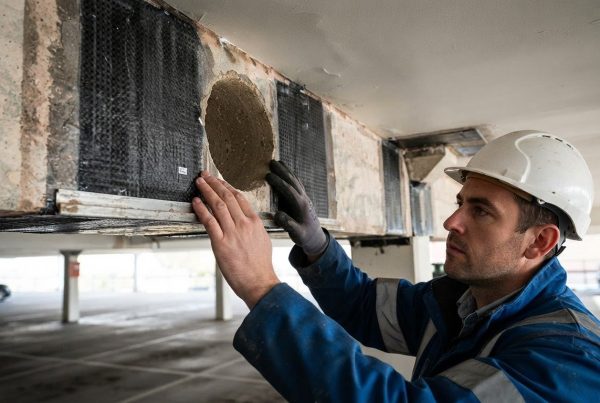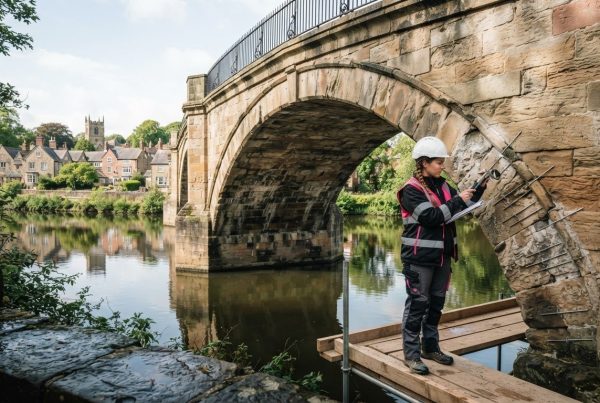

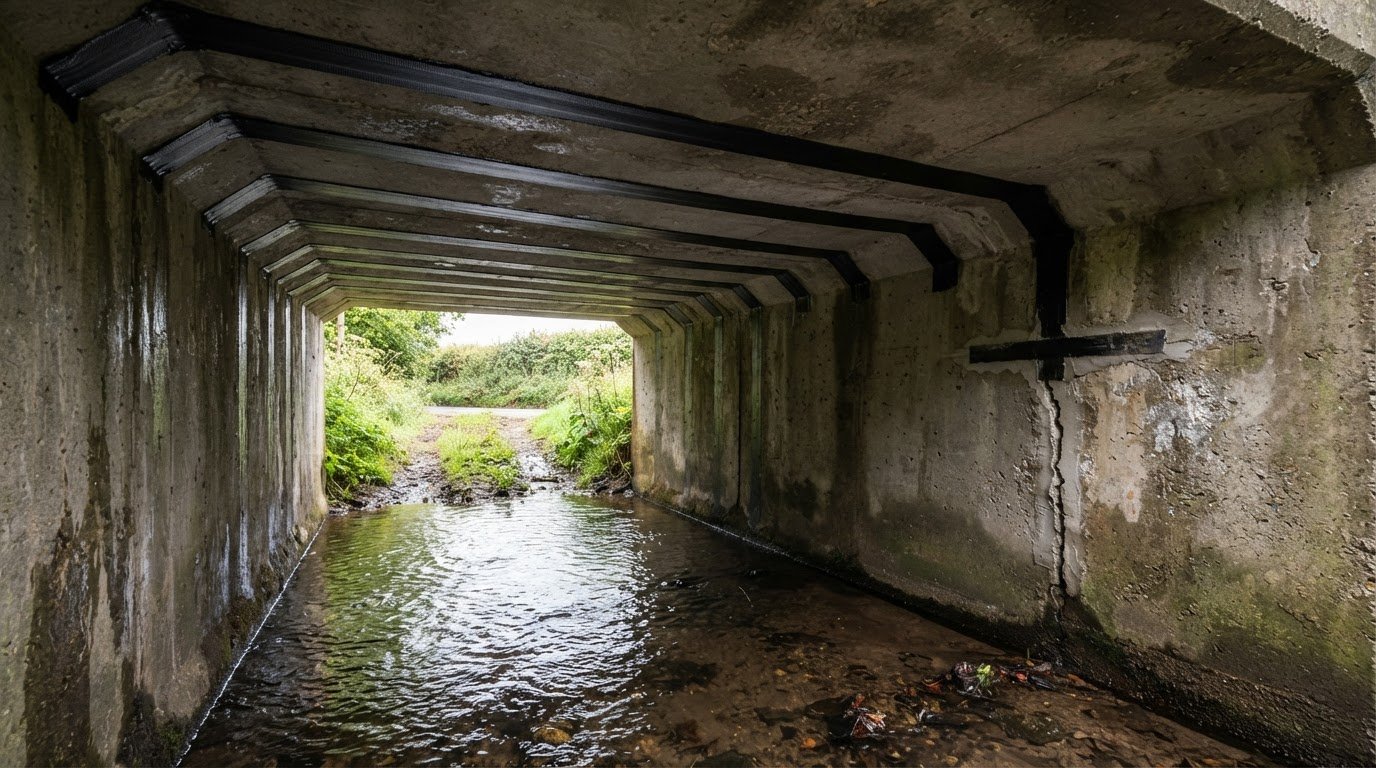
A culvert showing cracks, water ingress, erosion, damaged headwalls or restricted flow may need repair, refurbishment or strengthening, rather than immediate replacement. Culvert strengthening and repair in the UK begins with an inspection to identify defects and blockages, then match the intervention to the structure’s condition and required performance. The right response depends on what the inspection reveals.
Blockages from silt, leaves, vegetation and other debris can restrict water flow, whilst structural deterioration may affect the culvert’s ability to perform its function. This guide explains the signs that warrant investigation, how inspection findings inform repair and refurbishment, and when strengthening or upgrading may help restore structural capacity. It also outlines how specialist engineering solutions can extend an asset’s useful life while addressing the specific damage identified.
Key Takeaways
- Use inspection findings to distinguish structural damage from flow restrictions and identify where intervention is needed.
- Assess whether targeted refurbishment can address deterioration while retaining the existing culvert.
- Consider how loading requirements and the culvert’s condition inform decisions about structural strengthening and upgrading.
- Explore repair solutions that address the diagnosed defect and support the continued use of the asset.
Need to arranve a culvert inspection or repair?
Overloading, deterioration and neglected maintenance can compromise culvert structures; inspection findings help determine whether maintenance, repair or strengthening is needed.
Preventative maintenance and flood-risk reduction
Preventative bridge and culvert maintenance checks structural condition and water flow before defects worsen. Inspections can identify silt, vegetation or rubbish restricting flow, as well as concrete deterioration or damage around the inlet and outlet. After heavy rainfall, checking for new deposits can reveal emerging blockages. Timely clearance and rehabilitation can help maintain flow and reduce flood risk while limiting avoidable effects on the surrounding environment.
Signs of culvert maintenance needs
Arrange an inspection if you notice cracking, water ingress, erosion, damaged headwalls, displaced masonry, collapsed sections or restricted flow. Flooding near a road or railway can also indicate a blockage or structural defect that needs investigation. Where a culvert carries traffic or supports infrastructure, overloading may contribute to distress. The inspection should consider visible deformation and the loads the structure must carry. CCTV surveys can help reveal internal defects that are not visible from the surface.
Standards, regulations and consents
Applicable engineering standards and regulatory requirements depend on the culvert’s material, loading, location and proposed work. An assessment considers structural performance, concrete or masonry condition, water flow and environmental effects. Planning permission, an environmental permit or watercourse consent may apply if work changes a structure or affects a watercourse; requirements vary across the UK and according to the work’s scope. Project-specific controls protect fish, wildlife and water quality, including measures to manage debris and prevent pollutants or silt entering the flow. Confined-space work also requires planned access, assessment of atmospheric hazards and emergency arrangements.
Maintenance responsibility and repair costs
Responsibility in England, Scotland, Wales and Northern Ireland depends on ownership, the structure’s function and its connection to roads, railways or private land. Establishing those details helps identify who arranges inspection and maintenance. Repair cost depends on the defect, culvert dimensions, access, blockage removal, materials and whether rehabilitation or strengthening is required. The price depends on the case and is given after a quote request. A structural survey helps define the work by distinguishing local damage from wider deterioration or capacity concerns.
Refurbishment as an alternative to replacement
Complete replacement is not always necessary if defects can be repaired while retaining the culvert’s remaining structure. Refurbishment may involve repairing damaged concrete or brickwork, installing a lining or strengthening the existing barrel. The appropriate method depends on the culvert’s condition, the extent of deterioration and the required performance after the work. A specialist assessment distinguishes local defects from damage affecting the structure’s wider integrity.
Brickwork repairs need careful sequencing where the masonry is displaced or weakened. At Little Bedwyn in Wiltshire, a railway culvert more than 150 years old had dropped brickwork by up to 110 millimetres. During re-casing, no more than three bricks were removed and replaced at any one time. This staged approach provides a practical example of targeted masonry repair, rather than wholesale removal, where the existing structure can be retained and repaired.
Concrete repair can refurbish existing concrete or brick culverts, including surfaces affected by scouring, impact damage or spalling. Sprayed concrete can bond to existing substrates and reinstate damaged areas; the repair design must account for the substrate’s condition and the required profile. A lining may offer another refurbishment option, but it must suit the culvert’s geometry and intended use. The aim is a sound repair that addresses the defect, not simply a new surface over unsound material.
Replacing a penstock paddle is a localised intervention when the wider culvert structure remains serviceable but the control component is damaged or no longer operates correctly. Assessment should establish whether the paddle, its seating or adjoining material is affected, then define the repair scope accordingly. Refurbishment can preserve sound structures and avoid unnecessary replacement, while damaged brickwork, concrete or control components receive focused attention. A condition survey guides both the extent and sequence of work.
Culvert lining can provide a refurbishment option that avoids complete infrastructure replacement. Sprayed concrete is used to reinstate retaining walls along watercourses and repair water-retaining structures affected by flooding.

Common culvert damage and blockages
Culverts can be made from concrete, steel, plastic or stone, and each material has different inspection considerations. Concrete may show cracking, spalling or exposed reinforcement, while masonry can develop displaced or missing units. Steel and plastic structures can deform or sustain local damage. These defects may affect structural integrity, reduce flow capacity or allow water into the surrounding ground. Inspection helps connect visible symptoms with their likely cause and extent.
Blockages commonly build up from rubbish, silt, leaves, vegetation, soil and other debris. Accumulated material narrows the waterway, restricting flow and raising upstream water levels. After heavy rainfall, silt and mud may collect more readily, increasing blockage and flooding risks. Debris may form a visible obstruction at the inlet; inside the barrel, CCTV inspection can help locate deposits and structural defects that cannot be seen from the entrance.
Culvert damage can also involve erosion, voids or loss of support. Water passing through defects may wash soil out from around the structure, creating voids that can contribute to further movement. Pressure grouting can fill voids and stabilise the surrounding ground, helping limit water ingress and further deterioration. Culvert strengthening and repair in the UK should respond to inspection findings, rather than treating a blockage as the only problem.
Efficient inspection methods can help target work and limit avoidable disruption. Wigan Borough commissioned specialist CCTV surveys of 23 bridge and culvert structures, illustrating how internal surveys can support asset assessment. Findings help distinguish debris clearance from concrete or masonry repair, and identify where further structural investigation is needed. A practical sequence is to inspect the inlet and outlet, assess accessible internal areas, record defects, then define rehabilitation around the culvert’s condition and flow requirements. This approach to culvert strengthening and repair in the UK supports maintenance decisions while considering environmental effects on the watercourse.
Culvert strengthening and upgrading
Strengthening is appropriate when inspection identifies capacity or durability concerns that routine repair cannot resolve. The design must account for the structure’s condition, required loading and water flow.
Strengthening and upgrading approaches
A reinforced, spray-applied lining can improve load-bearing and flow capacity while providing waterproofing. The lining forms an overlay inside the existing culvert, so its design must account for the available profile and the structure’s condition. Sprayed concrete can also strengthen or upgrade existing culverts, using fewer layers and greater repair depth to create a monolithic overlay. Better encapsulation of steel reinforcement can support the repair’s integrity.
Lining, sliplining and structural relining are approaches to working inside an existing culvert. A lining adds a layer to the culvert; sliplining inserts a liner inside it, while structural relining is intended to contribute to structural performance. The choice depends on whether the primary need is waterproofing, improved capacity or both, as well as the existing geometry and flow requirements.
Repair times and durability
Repair duration depends on access, debris removal, the length of the affected section and the chosen method. At Worsley, rehabilitation covered a 6 m section of arch brick culvert beneath the Bridgewater Canal and took 4.5 weeks, including two weeks of silt cleaning. This example shows why preparation and clearance form part of the programme, not just the installation work.
Durability depends on sound preparation, suitable materials and the repair’s fit with the defect and operating conditions. A lining designed for load-bearing capacity must address the culvert’s structural requirements; a repair focused on water ingress has different priorities. Assessment should connect the intervention to the intended performance, rather than treating every lining as equivalent. For project-specific design considerations, review structural design features.
Composites Construction UK: Carbon Fibre Reinforced Polymer (CFRP) Strengthening
Composites Construction UK provides Carbon Fibre Reinforced Polymer (CFRP) Strengthening for infrastructure where an assessment identifies a need to improve structural capacity. For culvert assets, the appropriate intervention depends on observed defects, loading requirements and the condition of the existing structure. Structural surveys and engineering assessment help establish whether strengthening or concrete repair addresses the issue.
Tyfo® Fibrwrap® Systems are among the strengthening solutions used for projects requiring a designed structural intervention. Where an assessment supports CFRP, this approach can form part of a strategy to retain and upgrade an existing asset rather than defaulting to replacement. The scope should be developed around the culvert’s specific engineering requirements.
For advice on a culvert strengthening or repair project, contact Composites Construction UK.
Set the next step around the asset
The next step is to turn inspection findings into a defined engineering scope. A clear brief should identify the culvert’s role, observed condition, operational requirements and constraints on access or water flow. These factors help determine whether the priority is restoring local integrity, increasing capacity or planning a wider intervention. For culvert strengthening and repair in the UK, a project-specific assessment provides a practical basis for deciding how the asset can continue to serve its infrastructure function.
Composites Construction UK can discuss how its structural engineering expertise relates to your project requirements. Share the relevant inspection findings and the performance objective you need to address, so the conversation can focus on the asset and its engineering needs. Contact Composites Construction UK to discuss the next step and move your project towards a considered repair strategy.
Frequently Asked Questions
What are the common signs that a culvert in the UK needs repair or strengthening?
Changes in the pattern or progression of defects can indicate a need for engineering assessment. For example, a crack that extends or widens, repeated ground settlement above the barrel or a shifted headwall may point to more than routine debris clearance. Compare observations over time and consider them alongside the culvert’s loading and function. A single symptom rarely identifies the repair method on its own.
What are the main culvert repair and strengthening methods used in the UK?
Methods include local concrete or masonry repairs, void grouting, internal lining and structural strengthening. Selection depends on whether the main issue is material loss, water ingress, ground support or insufficient load capacity. For example, a surface repair may address local spalling, while engineered reinforcement targets structural performance. The chosen intervention should preserve the waterway’s required function and address the underlying cause, not just the visible effect.
What are the steps for inspecting and assessing a damaged culvert?
Assessment typically begins with a review of the culvert’s function, construction material, available records and observed symptoms. The inspection then records defects by location, type and apparent extent; internal CCTV may be used where access and conditions allow. Engineers relate findings to loading, water flow and surrounding ground, then determine whether further testing is needed. The resulting condition assessment informs repair priorities, design requirements and an appropriate work scope.