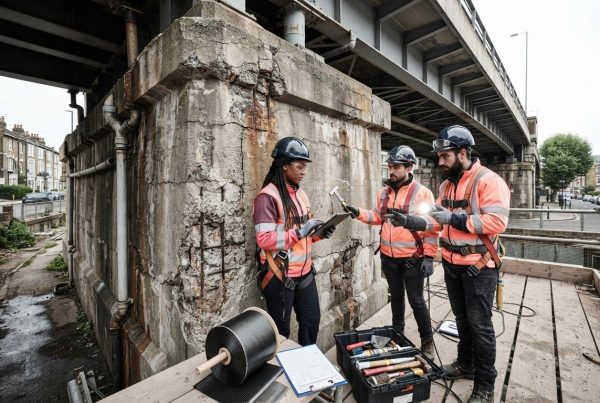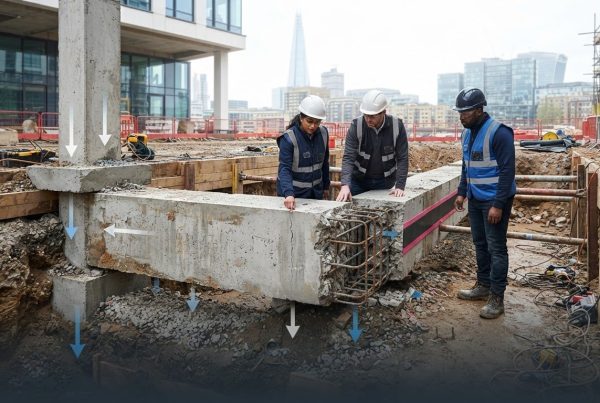

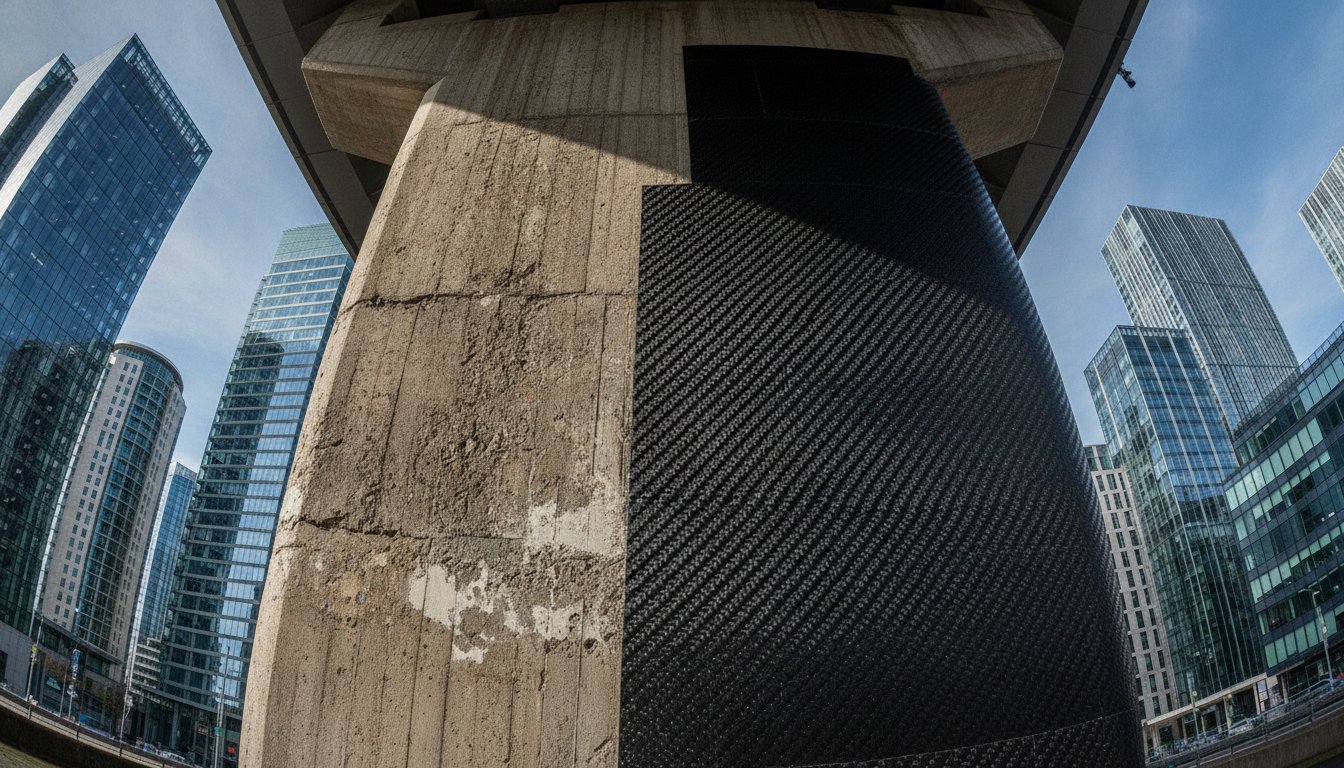
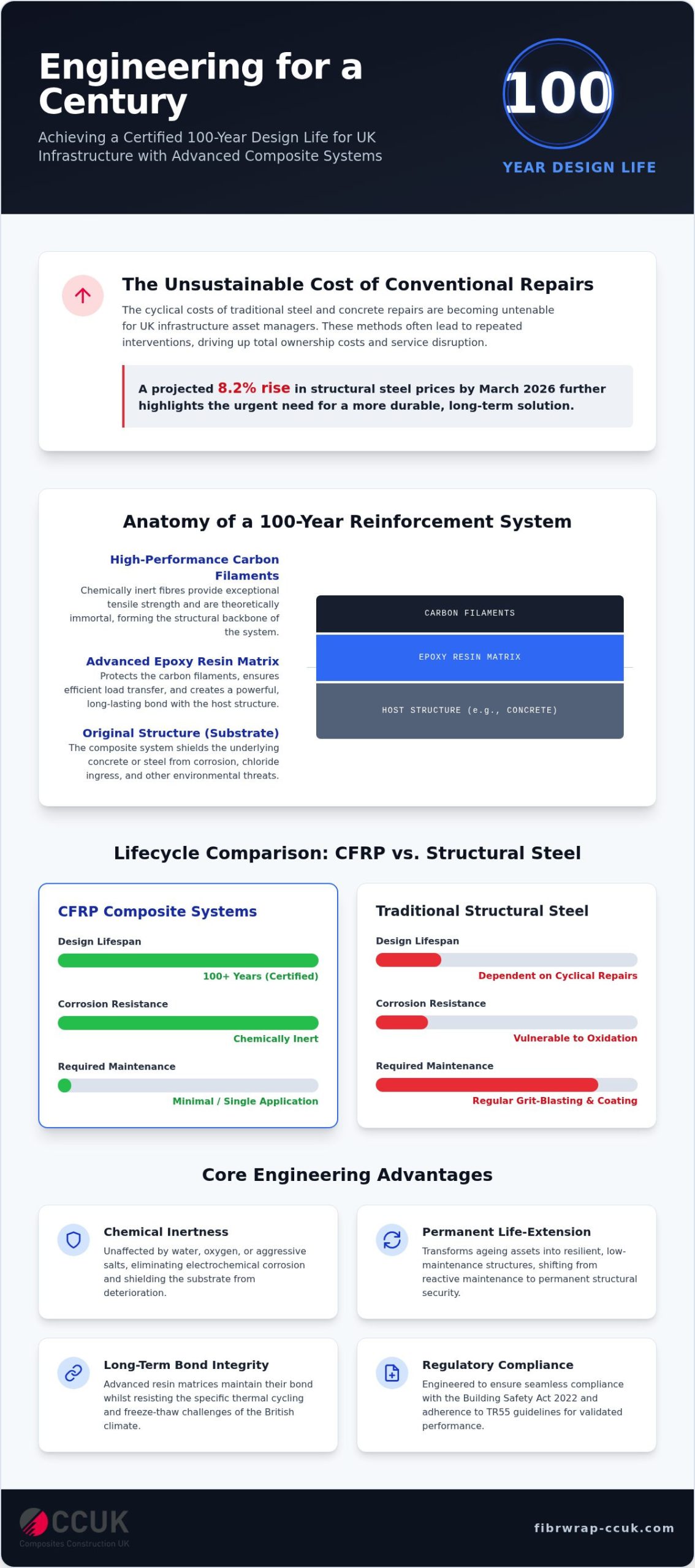
While the carbon filaments themselves are essentially immortal, the true structural lifespan of a reinforcement system is determined by the precision of its chemical bond and the rigour of its installation. You likely recognise that the cyclical costs associated with traditional steel and concrete repairs are becoming unsustainable, particularly as the UK faces an 8.2% rise in structural steel prices as of March 2026. This guide provides the empirical evidence and adherence to CFRP durability testing standards required to support a 100-year design life for infrastructure assets.
We’ll examine the technical justification for specifying Tyfo® Fibrwrap® systems, ensuring your projects remain compliant with the Building Safety Act 2022 whilst achieving long-term structural security. By exploring the chemical inertness of advanced polymers and the methodical application of TR55 guidelines, you’ll gain the confidence to transition from reactive maintenance to permanent life-extension. This technical overview clarifies how bespoke composite design transforms ageing assets into resilient, low-maintenance structures capable of exceeding a century of service.
Key Takeaways
- Understand how rigorous adherence to CFRP durability testing standards and TR55 guidelines facilitates a certified 100-year design life for critical UK infrastructure.
- Learn why the inherent chemical inertness of carbon filaments eliminates the requirement for the cyclical grit-blasting and protective coatings necessary for traditional structural steel.
- Evaluate the total cost of ownership benefits of composite systems, focusing on the economic and environmental sustainability of structural life-extension over total asset replacement.
- Discover how advanced epoxy resin matrices maintain long-term bond integrity whilst resisting the specific thermal cycling and freeze-thaw challenges of the British climate.
- Identify the engineering advantages of specifying proprietary Tyfo® Fibrwrap® systems to ensure seamless regulatory compliance with the Building Safety Act 2022.
The Theoretical and Practical Lifespan of Carbon Fibre Reinforcement
Carbon fiber reinforced polymer (CFRP) is now established as a primary material for the structural life-extension of critical UK infrastructure. It functions as a high-performance composite, where carbon filaments are embedded within a protective epoxy resin matrix to provide exceptional tensile strength and corrosion resistance. Since the implementation of the Building Safety Act 2022, asset managers have been under increased pressure to provide rigorous technical justification for repair methods. This legislation demands evidence of long-term reliability, shifting the focus from temporary remediation to permanent structural security. CFRP provides a solution that aligns with these stringent requirements, offering a level of durability that traditional materials often struggle to match in aggressive environments.
Design Life vs Material Life: An Engineering Distinction
A critical distinction must be made between the inherent material properties of carbon and the engineered design life of a reinforcement system. Carbon filaments are chemically inert and don’t degrade under standard atmospheric conditions; theoretically, they can remain functional for centuries. However, the system’s longevity is governed by the resin matrix and the quality of the bond to the substrate. In the UK, the Concrete Society’s Technical Report 55 (TR55) serves as the definitive framework for these applications. It requires that design life calculations account for anticipated load cycles, creep, and environmental exposure. Adherence to CFRP durability testing standards ensures that these systems aren’t merely specified based on theoretical potential, but are validated through empirical data that accounts for the interaction between the composite and the existing structure.
The 100-Year Horizon for UK Infrastructure
Specifying a 100-year design life for bridges, tunnels, and marine structures was once considered optimistic for composite repairs. Today, advanced engineering methodologies and proprietary systems like Tyfo® Fibrwrap® make this horizon a practical reality. Achieving such longevity requires a departure from generic applications in favour of bespoke design solutions that address the unique stressors of a specific asset. Specialist contractors validate these extended lifespans through rigorous testing, which includes accelerated ageing and bond strength assessments. By following established CFRP durability testing standards, engineers can certify that a structural intervention will maintain its integrity for a century, providing a level of permanence that significantly reduces the total cost of ownership compared to the repeated replacement of traditional reinforcement.
The Material Science of CFRP: Why Carbon Filaments Are Chemically Inert
Carbon fibres are composed of graphite-like carbon layers, making them inherently resistant to chemical attack and oxidation. Unlike structural steel, they don’t possess the same vulnerability to electrochemical corrosion. This fundamental stability is why the carbon component is often described as essentially immortal in atmospheric conditions. However, the composite’s overall performance is contingent upon the epoxy resin matrix. This matrix is responsible for protecting the fibres from mechanical abrasion and ensuring efficient load transfer between the individual filaments. A comprehensive Durability Assessment of Externally Bonded Fiber-Reinforced Polymer confirms that when high-quality resins are employed, the system’s structural integrity remains robust over decades of service.
Chemical Resistance and Corrosion Mitigation
The inert nature of CFRP offers a distinct advantage in the context of infrastructure longevity. Whilst structural steel requires constant vigilance against oxidation, CFRP remains unaffected by the presence of water, oxygen, or aggressive salts. It effectively acts as an impermeable barrier, shielding the underlying concrete from chloride ingress and carbonation. This makes the system particularly suitable for aggressive industrial environments, such as those found in pipeline rehabilitation or chemical processing facilities. By adhering to CFRP durability testing standards, engineers can verify the material’s resistance to specific chemical agents before installation. If you’re managing assets in corrosive conditions, you may wish to discuss your specific requirements with a specialist engineering team.
Resin Durability and the Polymer Matrix
The structural stability of the composite is heavily influenced by the glass transition temperature (Tg) of the resin. This is the temperature range at which the polymer shifts from a rigid, glassy state to a more flexible, rubbery one. Advanced proprietary resins, such as those used in the Tyfo® Fibrwrap® system, are engineered with a high Tg to ensure the reinforcement remains effective under varying thermal loads. These high-performance polymers are specifically designed to prevent creep and fatigue, which are common concerns in long-term loading scenarios. Preserving the matrix also involves the use of UV inhibitors or specialised protective coatings, which prevent the degradation of the resin surface when exposed to direct sunlight. This meticulous approach to resin selection is what separates a standard repair from a true 100-year life-extension solution. Rigorous CFRP durability testing standards validate these properties, providing the empirical rigour needed for high-consequence infrastructure.
CFRP vs Traditional Strengthening: A Comparative Lifecycle Cost Analysis
Assessing the total cost of ownership (TCO) requires a shift from initial capital expenditure to long-term operational modelling. Whilst structural steel has historically been the default choice for reinforcement, the economic landscape is changing rapidly. The price index for fabricated structural steel in the UK rose by 8.2% in the 12 months leading to March 2026. This volatility, combined with the high labour costs of traditional installation, has positioned Carbon Fibre Reinforced Polymer (CFRP) as a fiscally prudent alternative for high-consequence infrastructure. The initial investment in composite technology is frequently offset by the elimination of heavy lifting equipment and the reduction in site possession times.
The Hidden Costs of Traditional Remediation
Steel plate bonding requires cyclical maintenance that often goes unquantified in early-stage design. These systems necessitate grit-blasting and repainting every 10 to 15 years to prevent oxidation and loss of section. There is also a persistent risk of interfacial corrosion, where moisture becomes trapped between the steel plate and the concrete substrate. This can compromise the bond without visible warning. Lifecycle Cost Analysis (LCCA) is the primary tool used by asset managers to evaluate these long-term financial commitments alongside the initial installation price. By applying CFRP durability testing standards to the system selection, engineers can project a maintenance-free service life that traditional repairs simply cannot replicate. The long-term savings are substantial.
Sustainability and the Circular Economy
The environmental argument for composite reinforcement is as compelling as the financial one. Specifying structural repairs over total asset replacement significantly reduces the embodied carbon of a project. Demolition and new-build construction generate substantial waste and require vast quantities of new concrete and steel. These materials are carbon-intensive to produce. CFRP allows for the preservation of historic masonry and concrete structures that would otherwise be deemed structurally deficient. Quantifying the environmental impact of life-extension reveals that composite systems support the circular economy by maximising the utility of existing essential assets. This approach aligns technical capabilities with broader ESG goals. It ensures that infrastructure remains functional without the environmental cost of premature replacement.
Environmental and Operational Factors Influencing Structural Longevity in the UK
The longevity of externally bonded composites is heavily influenced by the specific environmental conditions of the British Isles. Whilst carbon filaments are resistant to degradation, the integrity of the polymer matrix and the bond to the substrate are sensitive to thermal cycling and moisture ingress. In the UK, bridge structures are frequently subjected to freeze-thaw cycles that can exacerbate existing micro-cracks in the concrete. If moisture is allowed to penetrate the interface, the resulting expansion during freezing can lead to delamination. Managing these risks requires strict adherence to CFRP durability testing standards, which provide the framework for evaluating material performance under accelerated environmental conditioning.
Managing UV and Thermal Degradation
Exposure to ultraviolet radiation can cause embrittlement of the epoxy resin over long periods, potentially leading to surface micro-cracking. This is mitigated through the application of specialised top-coats that act as a sacrificial barrier against UV-induced degradation. Additionally, the thermal behaviour of the CFRP must be carefully coordinated with the substrate material. Because carbon fibre and concrete have different coefficients of thermal expansion, the resin must be sufficiently ductile to accommodate these differential movements without losing adhesion. These protective measures are essential for assets in high-exposure areas, such as coastal bridges or elevated motorways, where temperature swings and solar exposure are most intense.
The Criticality of Installation Quality
Even the most sophisticated composite system will fail to meet its design life if the installation is flawed. This is why Tyfo Fibrwrap installation must be performed by certified specialists who understand the nuances of surface preparation and resin saturation. The bond strength is verified on-site through pull-off testing, ensuring that the tensile capacity of the substrate exceeds the requirements of the design. These on-site quality assurance protocols are vital; they validate the assumptions made during the engineering phase and provide the empirical proof of long-term security. By integrating CFRP durability testing standards into the site-specific quality plan, contractors can guarantee that the reinforcement will perform as intended for the duration of its 100-year design life.
If you’re managing a complex asset that requires a permanent strengthening solution, contact our technical department to arrange a structural survey and feasibility study.
Engineering for Permanence: Specifying Tyfo® Fibrwrap® Systems for 100-Year Design Life
The specification of Tyfo® Fibrwrap® systems represents a shift towards permanent structural remediation for high-consequence infrastructure. In the context of the Building Safety Act 2022, asset controllers must now demonstrate a rigorous approach to long-term safety and material performance. This legislation necessitates the maintenance of a “golden thread” of technical data, ensuring that every structural intervention is backed by verifiable engineering evidence. By opting for a single-source design, supply, and install contract, project managers can eliminate the risks associated with fragmented supply chains, ensuring that the installation precisely matches the design intent. This integrated approach is essential for guaranteeing that the 100-year design life target is achieved in practice.
The Advantage of Proprietary Systems
Proprietary systems like Tyfo® Fibrwrap® are distinguished by their extensive testing pedigree, which spans over three decades of real-world application and laboratory analysis. Unlike generic carbon fibre products, these systems are developed as integrated solutions where the fibre and resin are chemically optimised for compatibility. Adherence to CFRP durability testing standards is fundamental to this process, providing the empirical basis for bespoke engineering calculations. These calculations allow for the precise tailoring of reinforcement to address complex loading requirements, such as those found in seismic retrofitting or pipeline rehabilitation. Asset controllers gain absolute security from knowing that the system’s performance is validated by rigorous, independent research and a history of success in aggressive environments.
Securing the Future of UK Infrastructure
The path to a 100-year design life is secured through the collaboration of expert design and precision installation. Engaging a specialist engineering contractor allows for a comprehensive assessment of the asset’s condition before any material is specified. This feasibility stage is critical for identifying potential failure modes and ensuring that the chosen CFRP durability testing standards align with the structure’s operational environment. Ongoing structural surveys and testing remain a vital component of a proactive asset management strategy, providing the data needed to monitor the composite’s behaviour over its service life. Ultimately, CFRP serves as the definitive solution for life-extension, offering a level of permanence that traditional steel repairs simply cannot provide. It ensures that essential assets remain functional, safe, and compliant with modern regulatory demands.
To ensure your infrastructure projects meet the highest standards of safety and longevity, contact our engineering team for a feasibility study and technical consultation.
Securing Structural Longevity for the Next Century
The transition from cyclical remediation to permanent structural life-extension is contingent upon the application of advanced material science and rigorous engineering protocols. As demonstrated, the longevity of these systems isn’t merely a theoretical possibility but a practical reality supported by comprehensive CFRP durability testing standards. By distinguishing between the inherent stability of carbon filaments and the engineered performance of the polymer matrix, asset controllers can specify solutions that effectively eliminate the maintenance burdens associated with traditional structural steel.
As the exclusive UK licensee for Tyfo® Fibrwrap®, Composites Construction UK provides the specialist design and installation expertise required to achieve a certified 100-year design life. All interventions ensure full compliance with TR55 and CS455 standards, meeting the stringent transparency requirements of the Building Safety Act 2022. This methodical approach to infrastructure guardianship preserves the utility of essential assets whilst supporting broader economic and environmental sustainability goals. To secure the future of your structural assets, consult our specialist engineers for a certified structural life-extension solution. We remain dedicated to extending the functional lifespan of the UK’s infrastructure through proven science and engineering excellence.
Frequently Asked Questions
Is carbon fibre reinforcement permanent?
Yes, carbon fibre reinforcement is considered a permanent structural intervention with a design life typically ranging from 50 to 100 years. Unlike temporary propping or sacrificial repairs, CFRP becomes an integral component of the host structure. Its longevity is verified through accelerated ageing tests that simulate multi-decade service. The system is engineered to match or exceed the remaining service life of the parent structure, provided it’s installed to bespoke engineering specifications.
How does the UK climate affect the lifespan of CFRP?
The UK’s temperate climate, characterised by high humidity and frequent freeze-thaw cycles, necessitates the use of high-performance epoxy resins to maintain bond integrity. Moisture ingress is the primary concern for the polymer matrix. However, when applied using certified techniques and protected by UV-resistant top-coats, CFRP remains resilient. Adherence to CFRP durability testing standards ensures the selected system withstands the specific thermal cycling and moisture levels typical of British infrastructure.
Does carbon fibre reinforcement require regular maintenance?
No, CFRP systems are essentially maintenance-free once the resin has fully cured. Unlike structural steel, which requires cyclical grit-blasting and repainting to prevent oxidation and section loss, CFRP is chemically inert and non-corrosive. Periodic visual inspections are recommended as part of a standard asset management strategy to monitor the host structure, but the composite reinforcement itself doesn’t require the costly upkeep associated with traditional metallic strengthening methods.
Can carbon fibre reinforcement fail over time?
Failures are extremely rare and typically result from inadequate initial installation or unforeseen substrate degradation rather than material fatigue. Potential issues include delamination if the surface preparation was flawed. To mitigate these risks, the Tyfo® Fibrwrap® system utilises rigorous quality control protocols. Long-term performance is further secured by designing within the conservative strain limits defined by TR55, preventing the composite from ever reaching its ultimate failure point during service.
How long does the bond between carbon fibre and concrete last?
The bond is engineered to last for the duration of the system’s 100-year design life. Its longevity depends on the tensile strength of the concrete substrate and the quality of the epoxy adhesive. Pull-off testing is performed during installation to validate that the bond strength exceeds the required design parameters. Once cured, the resin creates a monolithic connection that resists environmental degradation and sustained mechanical loading over several decades of use.
What standards govern the lifespan of CFRP in the UK?
The definitive framework is the Concrete Society’s Technical Report 55 (TR55), which aligns with BS EN 1992 (Eurocode 2). Other critical regulations include CS455 for bridge strengthening and the Building Safety Act 2022 for general structural reliability. These documents mandate specific CFRP durability testing standards for assessing creep, fatigue, and environmental resistance. Compliance ensures that any structural life-extension project meets the rigorous safety requirements demanded by UK regulatory bodies.
Is CFRP more durable than structural steel for bridge strengthening?
Yes, CFRP offers superior durability in aggressive environments due to its total immunity to electrochemical corrosion. Whilst structural steel is prone to section loss from rust, carbon filaments remain chemically stable even when exposed to de-icing salts or marine air. Furthermore, the lightweight nature of composites reduces the additional dead load on the bridge, whilst the absence of maintenance cycles provides a significantly lower total cost of ownership over time.
What happens to carbon fibre reinforcement after 50 years?
Empirical evidence from long-term studies indicates that CFRP maintains the vast majority of its mechanical properties after 50 years. There is no significant loss of tensile strength or modulus of elasticity provided the resin matrix remains protected from extreme mechanical damage. The system continues to provide structural reinforcement, effectively functioning as a permanent component. In many cases, the composite reinforcement will outlast the original structure it was designed to strengthen.