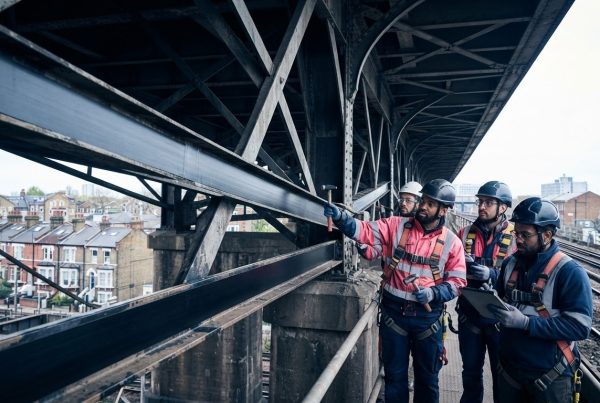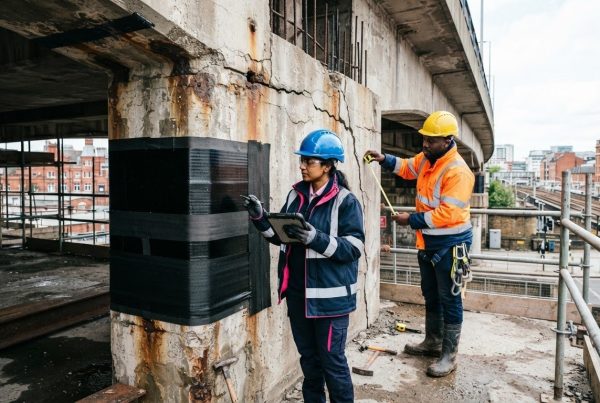

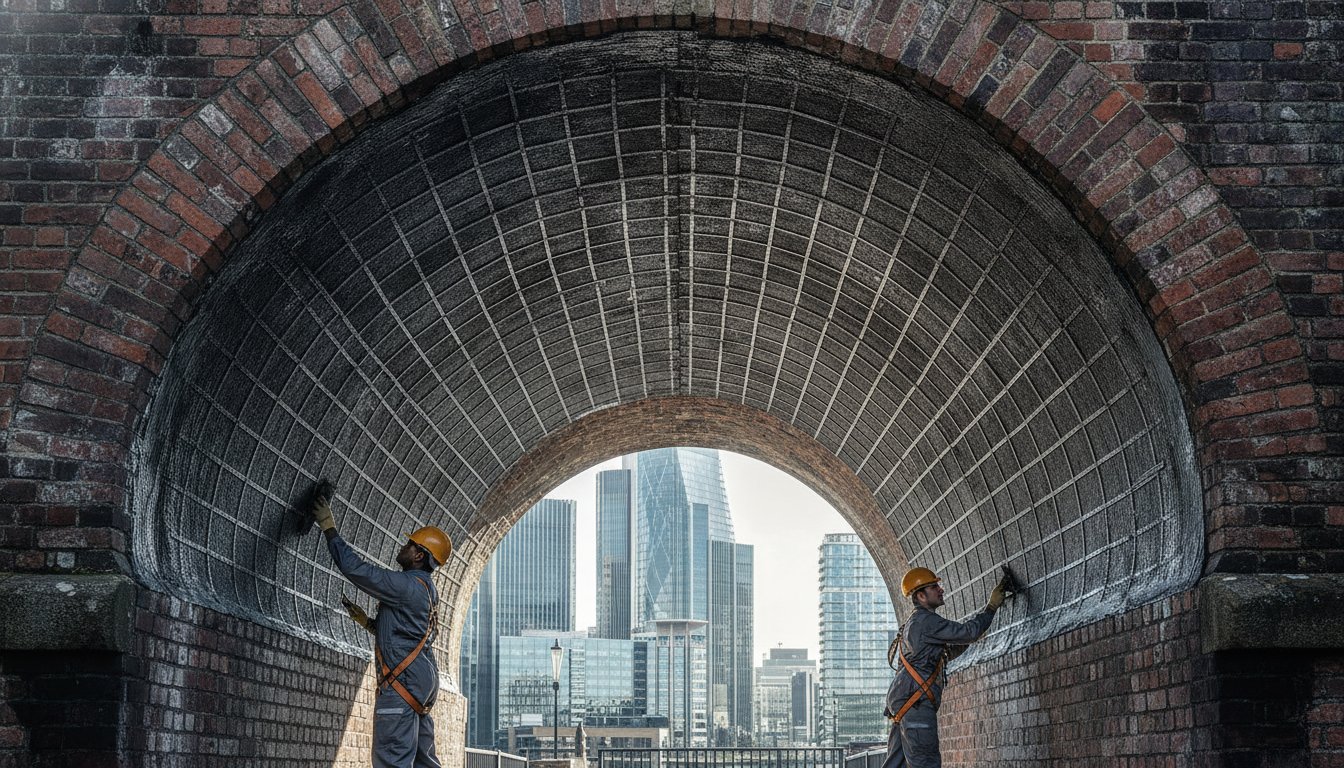
Conventional steel reinforcement often introduces as many structural complications as it resolves; it frequently requires extensive demolition and adds significant dead weight to ageing assets. The adoption of advanced composite masonry reinforcement offers a superior alternative, providing the necessary structural enhancement whilst maintaining the integrity of the original substrate. You likely recognise that the degradation of historic and industrial masonry presents a complex dilemma for UK asset controllers, as strict regulatory safety standards must be satisfied without the prohibitive costs and operational downtime associated with traditional interventions.
This technical guide explores how advanced composite systems, particularly Carbon Fibre Reinforced Polymer (CFRP) and the Tyfo® Fibrwrap® system, deliver high-performance, non-invasive solutions that significantly enhance load-bearing capacity. You will discover the engineering principles that allow these materials to introduce ductility to brittle systems whilst preserving the original architectural fabric and extending the functional lifespan of the asset.
The following analysis provides a methodical overview of the end-to-end design and installation process, the latest compliance requirements under UK structural standards, and the empirical evidence supporting the use of specialised composites for long-term infrastructure security and blast mitigation.
Key Takeaways
- Understand the technical distinctions between externally bonded reinforcement (EBR) and multi-wythe composite action to determine the most effective intervention for complex masonry substrates.
- Discover how composite masonry reinforcement transforms brittle failure modes into ductile structural behaviour, enhancing both load-bearing capacity and seismic resilience.
- Compare the exceptional weight-to-strength ratios of Carbon Fibre Reinforced Polymer (CFRP) against traditional steel interventions to minimise dead load and site disruption.
- Explore the strategic deployment of Tyfo® Fibrwrap® systems for high-stakes applications, including blast mitigation and the life-extension of critical infrastructure.
- Recognise the necessity of an end-to-end engineering approach, from structural survey to bespoke design, to ensure total compliance with UK safety regulations.
Understanding Composite Masonry Reinforcement Systems
In the context of advanced material science, composite masonry reinforcement refers to the integration of high-performance polymer systems with traditional masonry substrates to create a unified structural element. This approach goes beyond simple repair; it fundamentally alters the load-path and tensile capacity of the structure. Engineers must distinguish between multi-wythe composite action, where internal layers are bonded to act as a single unit, and externally bonded reinforcement (EBR), where materials are applied to the surface to resist flexural or shear stresses. To understand what is composite reinforcement at a micro level, one must look at how discrete phases of materials combine to produce mechanical properties unattainable by the individual components alone. Carbon Fibre Reinforced Polymer (CFRP) and Glass Fibre Reinforced Polymer (GFRP) represent the primary materials used, selected based on specific modulus requirements and environmental exposure. These systems have become essential for life-extension strategies, particularly where BS EN 1996 standards require enhanced safety margins for ageing UK infrastructure.
The Evolution of Masonry Strengthening
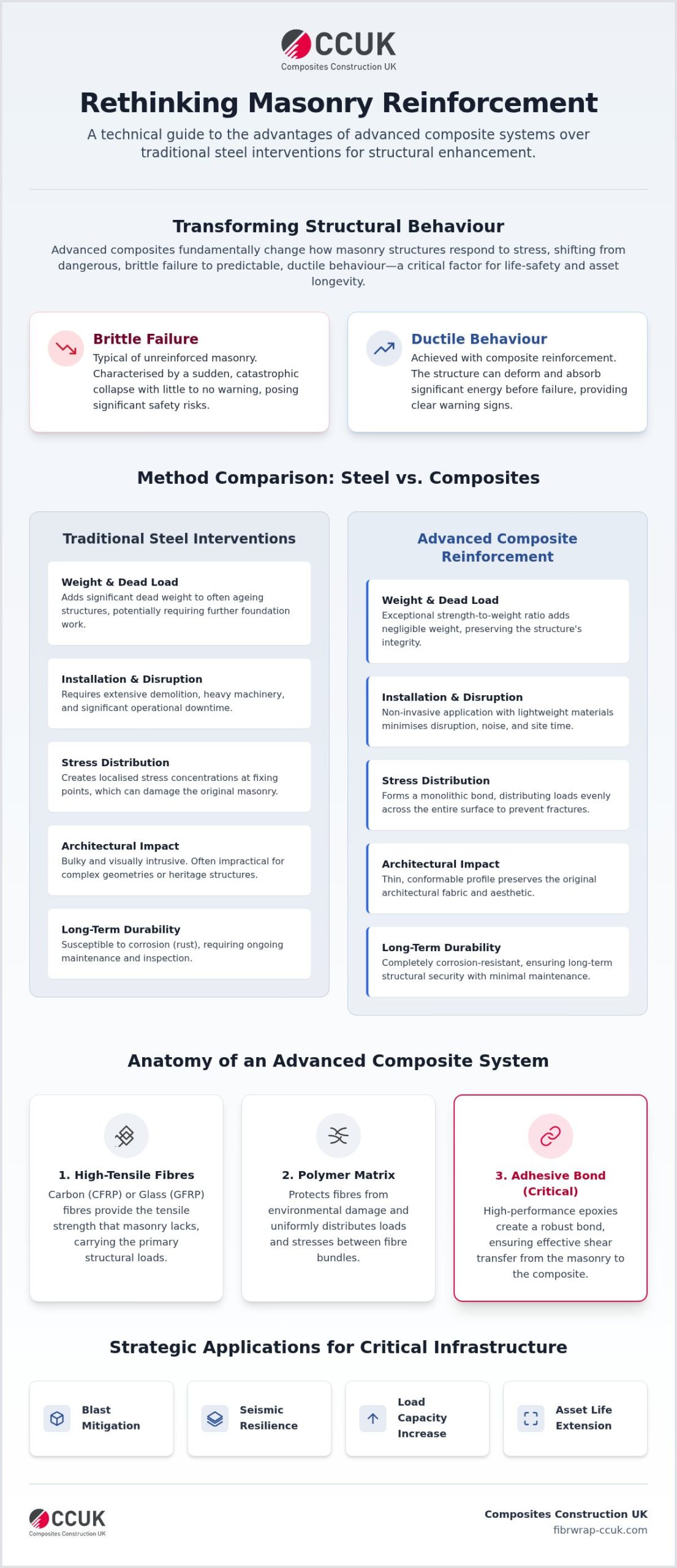
The transition from traditional mechanical fixings, such as steel plates and through-bolts, to chemical and composite bonding represents a significant shift in structural engineering. Whilst mechanical fixings often create localised stress concentrations, the use of epoxy resins allows for the creation of a monolithic structural unit. This ensures that loads are distributed across a wider surface area, reducing the risk of substrate fracture. These advanced systems are particularly advantageous for complex geometries or sites with restricted access where heavy steelwork is impractical. By utilising lightweight fabrics, engineers can achieve significant strengthening with minimal impact on the original architectural profile. It’s a method that prioritises the preservation of the existing fabric whilst meeting modern load requirements.
Key Components: Fibres, Matrices, and Adhesives
The efficacy of these systems relies on the synergy between three critical components. High-tensile fibres carry the primary structural loads and provide the necessary tensile strength that masonry inherently lacks. The polymer matrix serves a dual purpose: it protects the fibres from environmental degradation and ensures uniform load distribution amongst the fibre bundles. However, the success of the entire intervention depends on the adhesive bond. Substrate preparation is the most critical phase. Any contamination or surface weakness will compromise the shear transfer between the masonry and the composite overlay. For complex projects, an integrated design-to-installation approach ensures that material selection and surface preparation are tailored to the specific requirements of the asset, ensuring long-term structural security.
The Engineering Mechanics of Composite Action in Masonry
The fundamental structural limitation of unreinforced masonry lies in its inherent brittleness and negligible tensile strength. By integrating composite masonry reinforcement, the failure mode of the asset is fundamentally transformed from a sudden, brittle fracture to a more predictable, ductile response. This transition is critical for life-safety, as it allows for significant energy dissipation and provides visible warning signs prior to structural collapse. The mechanism relies upon the effective shear transfer between the masonry substrate and the composite overlay, which is facilitated by high-performance epoxy resins. These resins must penetrate the pores of the masonry units to ensure a robust mechanical interlock, as the interfacial bond strength determines the ultimate load-bearing capacity of the system.
In the variable UK climate, material compatibility and thermal behaviour are paramount. Whilst masonry and carbon fibre exhibit different coefficients of thermal expansion, the polymer matrix is engineered to accommodate these differential movements without compromising the bond. Technical guidance on Reinforced composite concrete masonry walls highlights that proper design must account for these environmental stressors to prevent premature delamination. Load transfer is further influenced by the substrate’s condition; therefore, comprehensive testing of the masonry’s tensile strength is often a prerequisite for a successful intervention.
Tension and Flexural Strengthening
Masonry walls are frequently susceptible to out-of-plane bending caused by wind loads or lateral earth pressures. CFRP systems are applied to the tension face of these elements to intercept and redistribute these forces, effectively mitigating the development of flexural cracks. Flexural strengthening is defined as the process of increasing a structural element’s resistance to bending through the strategic application of CFRP laminates, which leverage their high elastic modulus to limit strain and maintain structural integrity under load. This method is particularly effective for historic facades where internal steel reinforcement would be too invasive. If you require a detailed assessment of your asset’s flexural requirements, our team provides bespoke design features tailored to specific structural geometries.
Confining Pressures and Axial Load Increase
For vertical elements such as columns, piers, or industrial chimneys, the application of composite “wrapping” introduces significant confining pressures. This triaxial confinement state restricts the lateral expansion of the masonry units under vertical load, thereby increasing the effective axial capacity of the member. In industrial contexts, such as silo stabilisation or the reinforcement of ageing cooling towers, this confinement prevents the spalling of masonry units and ensures the continued stability of the structure under high operational stresses. The use of Tyfo® Fibrwrap® systems in these scenarios provides a high-strength, lightweight solution that does not significantly increase the cross-sectional area of the asset.
Comparing Composite Reinforcement with Traditional Remedial Methods
Traditional structural interventions, such as steel plate bonding and helical bar installation, have long served as the industry default for masonry repair. However, these methods carry inherent limitations, particularly regarding the introduction of significant dead weight and the requirement for invasive mechanical anchoring. Advanced composite masonry reinforcement offers a technologically superior alternative by leveraging the exceptional weight-to-strength ratio of Carbon Fibre Reinforced Polymer (CFRP). Whilst a typical steel plate requires complex temporary works and heavy lifting equipment, CFRP laminates provide equivalent or superior tensile strengthening with only a fraction of the mass. This reduction in material weight isn’t merely a matter of convenience; it fundamentally alters the structural demand on the existing foundations, preventing the need for costly secondary strengthening of the footings.
Beyond mechanical performance, the sustainability of reinforcement over demolition is a critical consideration for modern asset management. Prolonging the functional lifespan of a structure through composite application significantly reduces the environmental impact associated with the production and transport of new masonry and concrete. By avoiding full-scale replacement, asset controllers can minimise the carbon footprint of their projects whilst ensuring long-term structural security. This focus on life-extension aligns technical capabilities with broader economic and environmental objectives, positioning composites as a more responsible choice for infrastructure guardianship. It’s a method that prioritises the preservation of existing assets over the resource-heavy cycle of demolition and reconstruction.
Installation Speed and Site Disruption
The lightweight nature of the Tyfo® Fibrwrap® system allows for rapid deployment without the need for extensive site closures or heavy machinery. Unlike traditional steel members that require precise cranage and bolting, composite fabrics are hand-applied and cured in situ. This streamlined process dramatically reduces the duration of site disruption, making it an ideal choice for operational industrial facilities or busy transport hubs. The absence of hot works and heavy equipment also enhances site safety and reduces the overall logistical burden. For a detailed breakdown of the application process, consult the Tyfo® Fibrwrap® installation guide.
Corrosion Resistance and Durability
In harsh marine or industrial environments, traditional steel reinforcement is highly susceptible to oxidation, which often leads to the phenomenon known as “rust bursting.” As steel corrodes, it expands, causing the surrounding masonry to crack and spall; this necessitates further costly repairs and compromises the integrity of the intervention. Composites aren’t susceptible to this form of degradation. They are inherently non-corrosive and resistant to chemical attack, ensuring that the reinforcement remains effective for the duration of the asset’s service life. This durability eliminates the need for frequent maintenance cycles and protective coatings, providing a more reliable long-term solution for critical infrastructure projects where accessibility for future repairs is limited.
Strategic Applications: From Seismic Retrofitting to Blast Mitigation
The strategic deployment of advanced materials science becomes paramount when assets face extreme dynamic forces or require significant functional upgrades. High-stakes scenarios, such as the protection of critical national infrastructure or the repurposing of Victorian-era industrial warehouses, necessitate a level of structural resilience that traditional masonry simply can’t provide. The application of composite masonry reinforcement allows engineers to introduce specific performance characteristics, such as increased ductility and energy dissipation, without altering the aesthetic or spatial footprint of the building. This is particularly relevant for change-of-use projects where existing masonry must support increased live loads to satisfy modern building regulations; it’s a solution that avoids the need for heavy internal steel frames.
Blast Mitigation and Impact Resistance
During an explosive event, unreinforced masonry typically fails through fragmentation, converting the wall into high-velocity debris. Fibre-wrapped systems address this vulnerability by providing a continuous, high-tensile containment layer. The advanced composite matrix absorbs a substantial portion of the blast energy through controlled deformation, maintaining the wall’s integrity and preventing catastrophic collapse. This technology is frequently utilised in government buildings, military installations, and high-occupancy commercial centres where the risk of impact or blast must be mitigated to protect life and essential services.
Seismic Retrofitting of Historic Masonry
Seismic retrofitting of historic masonry requires a delicate balance between structural safety and architectural preservation. Many unreinforced masonry (URM) buildings lack the in-plane shear strength necessary to resist lateral seismic loads. By applying CFRP laminates to the internal or external faces of these walls, the shear capacity is significantly enhanced, allowing the structure to behave as a coherent, ductile unit during an earthquake. We recommend conducting detailed structural surveys to precisely determine the reinforcement requirements for each unique asset. This data-driven approach ensures that the intervention is both effective and minimally invasive, prolonging the service life of the UK’s architectural heritage whilst meeting rigorous modern safety codes.
If you’re managing a high-risk asset that requires advanced protection, contact our specialist engineering consultancy to discuss a tailored reinforcement strategy.
Bespoke Design and Installation: The CCUK Methodology
The successful implementation of composite masonry reinforcement necessitates a methodical approach that integrates forensic structural assessment with precision engineering. It’s insufficient to simply apply advanced materials to a failing substrate; the entire intervention must be underpinned by a rigorous design-to-installation workflow. This process commences with a comprehensive structural survey to identify substrate deficiencies and culminates in a tailored application that satisfies specific performance criteria. By managing every phase of the project, from initial design through to final curing, the structural integrity of the asset is secured through a single, expert-led point of responsibility.
The Importance of Design and Engineering Consultancy
Every project requires bespoke engineering calculations to ensure total compliance with UK structural standards, including BS EN 1996 and the relevant National Annexes. Feasibility studies are conducted to determine the optimal fibre orientation and laminate thickness, ensuring that the reinforcement addresses the specific load-paths of the asset. This level of technical detail is provided through the CCUK design feature page, where the integration of proprietary software and empirical data ensures that every intervention is mathematically validated. By tailoring the solution to the unique geometry and material properties of the masonry, the risk of structural under-performance is eliminated. These calculations are essential for satisfying building control requirements and providing long-term security to asset controllers.
Quality Assurance in Composite Application
The durability of a composite system is fundamentally dependent on the quality of the on-site execution, particularly during the saturation and curing phases. Strict quality control measures are enforced throughout the installation, including the continuous monitoring of ambient temperature and humidity levels to ensure the polymer matrix cures within the manufacturer’s specified parameters. On-site testing protocols, such as pull-off tests, are performed to verify the bond strength between the composite and the masonry substrate, providing empirical evidence of the system’s integrity. Engaging a specialist engineering contractor is essential for the application of proprietary systems like Tyfo® Fibrwrap®, as it ensures that the installation is performed by technicians who understand the complexities of resin-to-fibre ratios and substrate preparation. This disciplined approach mirrors the rigour required in major infrastructure projects, ensuring that the reinforcement performs as designed for the remainder of the structure’s service life.
Securing the Future of UK Infrastructure through Advanced Science
The evolution of structural engineering has moved beyond the limitations of traditional steel and mechanical fixings, embracing the superior mechanical properties of composite masonry reinforcement. By integrating high-performance Carbon Fibre Reinforced Polymer (CFRP) systems, brittle masonry assets are transformed into ductile, resilient structures capable of withstanding extreme dynamic forces and increased operational loads. This technical guide has outlined how the strategic application of Tyfo® Fibrwrap® provides a non-corrosive, lightweight alternative that significantly reduces site disruption whilst ensuring total compliance with UK structural standards.
As the exclusive UK licensee for Tyfo® Fibrwrap® systems, CCUK remains a specialist in the protection of critical infrastructure and blast mitigation. Our comprehensive design-to-installation service ensures that every project is underpinned by rigorous engineering consultancy and precise on-site execution. Prioritising the sustainability of repair over replacement allows asset controllers to extend the functional lifespan of essential structures whilst meeting modern safety requirements.
Contact our specialist engineering team to discuss your masonry reinforcement project and discover how our bespoke design solutions can secure the long-term integrity of your assets. We look forward to supporting your structural life-extension goals.
Frequently Asked Questions
What is the primary advantage of using composite masonry reinforcement over steel?
The primary advantage is the exceptional weight-to-strength ratio and inherent corrosion resistance of the materials. Unlike traditional steel plates, which add significant dead load and are prone to oxidation, advanced composite systems are lightweight and chemically inert. This eliminates the risk of “rust bursting” and substrate spalling. Additionally, the non-invasive installation process reduces operational downtime, making it a more efficient solution for industrial and critical infrastructure projects across the UK.
Can composite reinforcement be applied to historic or listed masonry buildings?
Yes, these systems are ideally suited for historic or listed masonry due to their non-invasive application. Traditional mechanical fixings often require extensive drilling or demolition, which can compromise architectural integrity. By contrast, composite masonry reinforcement is applied to the surface or integrated into existing joints, maintaining the building’s aesthetic whilst meeting modern safety codes. It’s a key tool for life-extension projects where heritage preservation and structural enhancement must be balanced.
How long does a CFRP masonry reinforcement system typically last?
A professionally designed and installed CFRP system is engineered to last for the remaining service life of the asset, often exceeding 50 years. Because the materials don’t degrade through corrosion or chemical attack, the structural enhancement remains stable over time. The longevity of the system is further secured by using proprietary materials like Tyfo® Fibrwrap®, which are tested under rigorous environmental conditions to ensure long-term performance in diverse industrial and marine climates.
Is composite masonry reinforcement fire resistant?
Whilst the polymer matrix itself has specific thermal limits, fire resistance is achieved through the application of specialised fire-retardant coatings or cementitious renders. These protective layers ensure the system maintains structural integrity under high-temperature conditions. During the design phase, the required fire rating is established to determine the appropriate thermal barrier, ensuring the reinforcement meets all relevant UK building safety regulations and specific life-safety standards for high-occupancy assets.
What substrate preparation is required before applying composite materials?
Effective substrate preparation is the most critical phase of the installation process. The masonry surface must be cleaned of all contaminants, such as oils or loose mortar, and mechanically prepared to reveal a sound substrate. Any structural cracks are typically injected with resin before the composite is applied. Proper preparation ensures a high-performance mechanical bond, which is essential for the effective transfer of shear stresses between the masonry and the reinforcement overlay.
Does composite reinforcement increase the thickness of the wall significantly?
No, composite reinforcement doesn’t significantly increase wall thickness. A typical CFRP laminate or fabric wrap is only a few millimetres thick, allowing the structure to maintain its original dimensions and spatial footprint. This is a major benefit over traditional steel or concrete jackets, which can add several centimetres to the profile. This slim profile is particularly advantageous in restricted access sites or where architectural clearances and original geometries must be preserved.
Can composites be used for both internal and external masonry walls?
Composites are versatile and can be utilised for both internal and external masonry walls. For external applications, the system is typically finished with a UV-resistant coating or a protective render to prevent environmental degradation of the polymer matrix. Internally, the thin profile allows the reinforcement to be easily concealed behind standard finishes or left exposed in industrial settings. This flexibility makes it a robust choice for comprehensive structural retrofitting across an entire infrastructure asset.
How is the bond strength between the composite and masonry verified?
Bond strength is verified through on-site pull-off testing, often conducted in accordance with BS EN 1542 standards. This involves bonding a metal disc to the cured composite and applying a tensile load until failure occurs. A successful test typically results in a failure within the masonry substrate itself rather than at the adhesive interface. This empirical data provides asset controllers with absolute assurance that the load transfer mechanism is functioning as designed for the project.