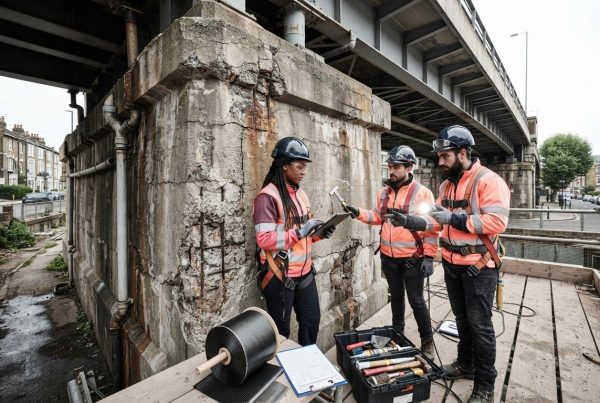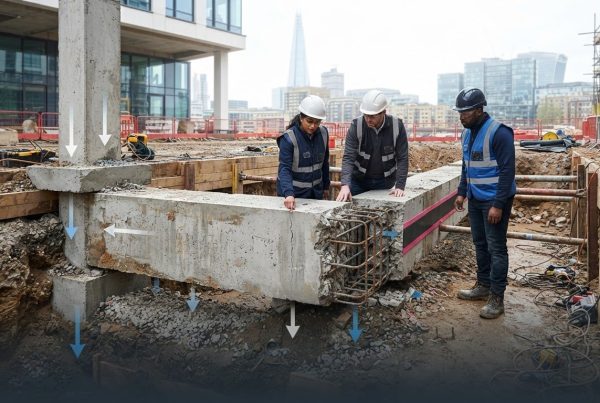

The assumption that a severely corroded or structurally compromised pipeline necessitates total excavation and replacement is an increasingly outdated engineering perspective. For asset controllers managing the United Kingdom’s ageing infrastructure, the logistical burden and financial impact of traditional open-cut methods often prove prohibitive. It’s understood that maintaining service continuity whilst addressing structural thinning in critical assets remains a primary operational challenge. This technical guide demonstrates how advanced CFRP pipeline repair systems, such as the Tyfo® Fibrwrap® system, provide a trenchless, high-strength alternative that restores structural integrity to original design specifications. You’ll discover the engineering principles behind carbon fibre reinforced polymer applications, the adherence to ISO/TS 24817 standards, and the empirical evidence supporting the use of composites for long-term asset life extension. We’ll examine the methodologies required to achieve full pressure capacity restoration without the disruption of conventional civil works.
Key Takeaways
- Understand why CFRP pipeline repair is the superior choice for restoring hoop and longitudinal strength in ageing metallic and concrete assets without the need for full excavation.
- Learn how the Tyfo® Fibrwrap® system utilises high-strength carbon fibres and specialised epoxy resins to provide a thin-profile structural reinforcement that maintains hydraulic capacity.
- Contrast the structural capabilities of CFRP against traditional CIPP liners to determine the most effective methodology for high-pressure pipeline rehabilitation.
- Gain insight into the specialist design-and-build process required to navigate UK health and safety regulations and ensure compliance with ISO/TS 24817.
- Discover the long-term sustainability benefits of structural repair over asset replacement, significantly reducing the total expenditure and environmental impact of infrastructure maintenance.
The Challenge of Ageing UK Pipeline Infrastructure
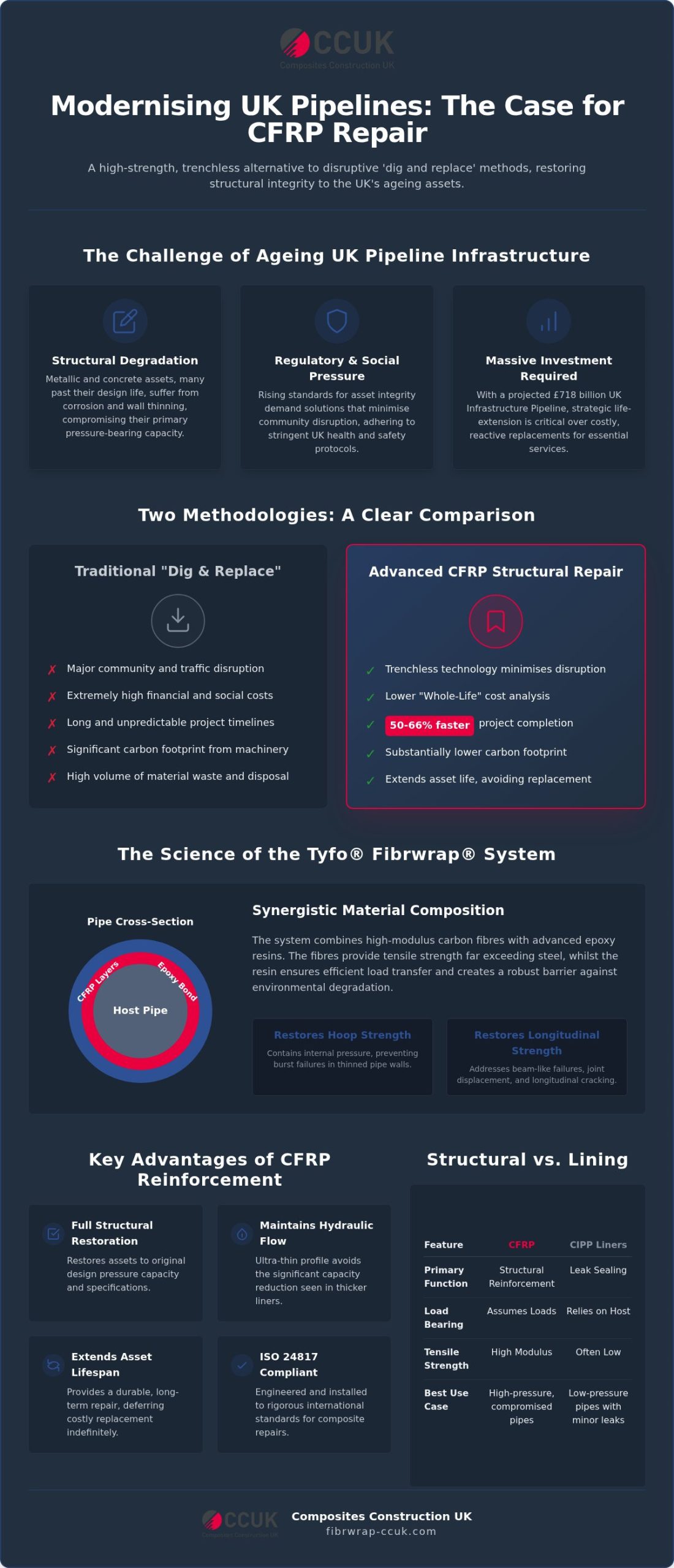
The UK’s utility and industrial sectors are currently tasked with managing a vast network of legacy pipelines, many of which are nearing the end of their intended design life. Metallic assets, particularly those installed during the mid-20th century, are increasingly prone to uniform and localised corrosion, leading to significant wall thinning. Concrete structures face similar degradation through carbonation and sulfate attack. With the UK government’s Infrastructure Pipeline projecting a £718 billion investment over the next decade, as of March 2026, the focus has shifted from reactive maintenance to strategic life-extension. Regulatory bodies now demand higher standards of asset integrity, placing immense pressure on operators to find solutions that minimise community disruption whilst adhering to stringent safety protocols. It’s no longer feasible to rely on short-term fixes for critical infrastructure that supports 51% of the energy sector’s planned investment.
Identifying Structural Deficiencies in High-Pressure Assets
Pipeline degradation often manifests in ways that compromise the primary pressure-bearing capacity of the asset. Hoop stress failure is a primary concern in high-pressure systems, where internal forces exceed the tensile strength of the thinned pipe wall. Longitudinal cracking and joint displacements further complicate the structural profile, requiring more than just a simple leak-sealing intervention. Whilst non-structural liners like CIPP can address minor leakage, they often lack the tensile modulus required to restore full structural capacity to a compromised pipe. Advanced structural surveys, utilising Non-Destructive Testing (NDT) such as ultrasonic thickness gauging and laser profiling, are essential for quantifying these deficiencies. These assessments provide the empirical data needed to design a Carbon Fiber Reinforced Polymer (CFRP) solution that can withstand the original design pressures of the asset.
The Economic Case for Structural CFRP Repair
The financial implications of traditional “dig and replace” methodologies are increasingly difficult to justify in a modern regulatory environment. Beyond the direct capital expenditure of excavation and material procurement, the “social costs”, including traffic management, noise pollution, and community disruption, can be astronomical. Utilising CFRP pipeline repair techniques allows for a significant reduction in project duration, often reaching 50% to 66% shorter timelines compared to traditional steel plate bonding. From a sustainability perspective, the avoidance of heavy plant machinery and the reduction in raw material production contribute to a significantly lower carbon footprint. This methodology aligns with the industry’s focus on “Whole-Life” cost analysis, where the longevity of a repair is weighed against the massive disruption and environmental impact of total replacement. Asset managers can explore bespoke design features that ensure the rehabilitated structure meets modern safety factors without the need for extensive civil works.
The Science of CFRP Pipeline Repair: Tyfo® Fibrwrap® Systems
The efficacy of CFRP pipeline repair is rooted in the synergistic relationship between high-modulus carbon fibres and advanced epoxy resins. Unlike standard lining materials, Carbon Fibre Reinforced Polymer (CFRP) is engineered to function as a structural reinforcement, capable of assuming the mechanical loads previously carried by the host pipe. The Tyfo® Fibrwrap® system is specifically designed to restore both hoop and longitudinal strength, addressing the primary failure modes of high-pressure assets. A critical factor in the system’s performance is the integrity of the bond between the composite laminate and the prepared substrate, ensuring that stresses are effectively transferred from the compromised wall to the reinforcement. This bond is essential for maintaining structural continuity, particularly in pipelines where corrosion has led to significant wall thinning.
Material Composition and Performance Characteristics
The polymer matrix, typically a bespoke epoxy resin, serves a dual purpose; it facilitates efficient load transfer between individual fibre filaments and provides a robust barrier against environmental degradation. When compared to E-glass alternatives, carbon fibre exhibits significantly higher tensile strength and a superior modulus of elasticity, making it the preferred choice for high-pressure water and energy infrastructure. For instance, Tyfo® SCH-41 is often deployed where maximum structural enhancement is required, whilst Tyfo® SEH-51A may be utilised for specific protective applications. These materials are characterised by exceptional chemical resistance, remaining unaffected by aggressive effluents or corrosive soil conditions that typically accelerate the thinning of metallic pipes. The resulting laminate possesses a high strength-to-weight ratio, allowing for substantial reinforcement without adding significant mass to the structure.
Design Philosophy for Pipeline Strengthening
Engineering designs for these systems generally follow one of two methodologies: the stand-alone approach or the composite approach. In a stand-alone design, the CFRP laminate is calculated to withstand all internal hydrostatic pressures and external soil or traffic loads, assuming the host pipe has zero residual strength. Conversely, a composite design accounts for the shared load-bearing capacity of the existing structure and the reinforcement, typically designed in accordance with ISO/TS 24817 or ASME PCC-2 standards. Calculations must also consider vacuum conditions and potential buckling, ensuring the asset remains stable under all operational scenarios. The Tyfo® Fibrwrap® system represents a bespoke engineering solution that is meticulously tailored to the specific hydraulic and structural requirements of each pipeline rehabilitation project. If your project requires a detailed technical assessment of these material properties, you may find it beneficial to consult our team regarding bespoke design features for complex infrastructure.
CFRP vs Traditional Lining: Why Structural Strength Matters
When selecting a rehabilitation methodology, asset managers must distinguish between non-structural lining and genuine structural reinforcement. Whilst Cured-In-Place Pipe (CIPP) is frequently utilised for small-bore gravity sewers, it often lacks the tensile modulus required for high-pressure applications. In contrast, CFRP pipeline repair provides a fully structural solution that restores the asset to its original design pressure capacity. This distinction is critical for large-diameter man-entry pipelines where the structural failure of the host pipe is a credible risk. Unlike slip-lining or CIPP, which can significantly reduce the internal diameter of the asset, CFRP systems offer a high-strength reinforcement with a negligible footprint, ensuring that the structural integrity is not compromised by the repair process itself.
Hydraulic Efficiency and Flow Capacity
The minimal thickness of a CFRP laminate, typically ranging from 3mm to 10mm, ensures that the cross-sectional area of the pipeline remains largely unaffected. This is a vital advantage over traditional lining methods that may require a thickness of 20mm or more to achieve even partial structural stability. By maintaining the internal diameter, the hydraulic capacity of the asset is preserved, often improving flow characteristics due to the superior Manning’s n-values of the resin-rich surface. For instance, whereas aged concrete or cast iron may exhibit significant friction losses, the smooth finish of a Tyfo® system can reduce turbulence. Additionally, the ability to perform localised “spot repairs” allows engineers to target specific structural deficiencies without the need for a full-length liner, further optimising project costs and operational efficiency.
Structural Integrity and Load-Bearing Capacity
Under standards such as AWWA C305 and ASTM, CFRP is classified as a fully structural repair, meaning it can be designed to resist the entirety of the internal and external loads independently of the host pipe. This capacity to “bridge” large voids or structural gaps is where composite systems outperform CIPP, which generally relies on the host pipe for external stability. The high tensile strength of carbon fibre allows the system to manage complex geometries, including elbows, tees, and tapered transitions, with precision. These areas often represent failure points for traditional liners due to wrinkling or insufficient bond strength. By providing a bespoke, hand-applied or machine-wrapped solution, the Tyfo® Fibrwrap® system ensures that even the most challenging configurations are restored to a state of long-term security. This CFRP pipeline repair methodology provides a 50-year design life, matching or exceeding the longevity of a new asset whilst avoiding the logistical complexities of full replacement.
Technical Implementation: The CFRP Pipeline Installation Process
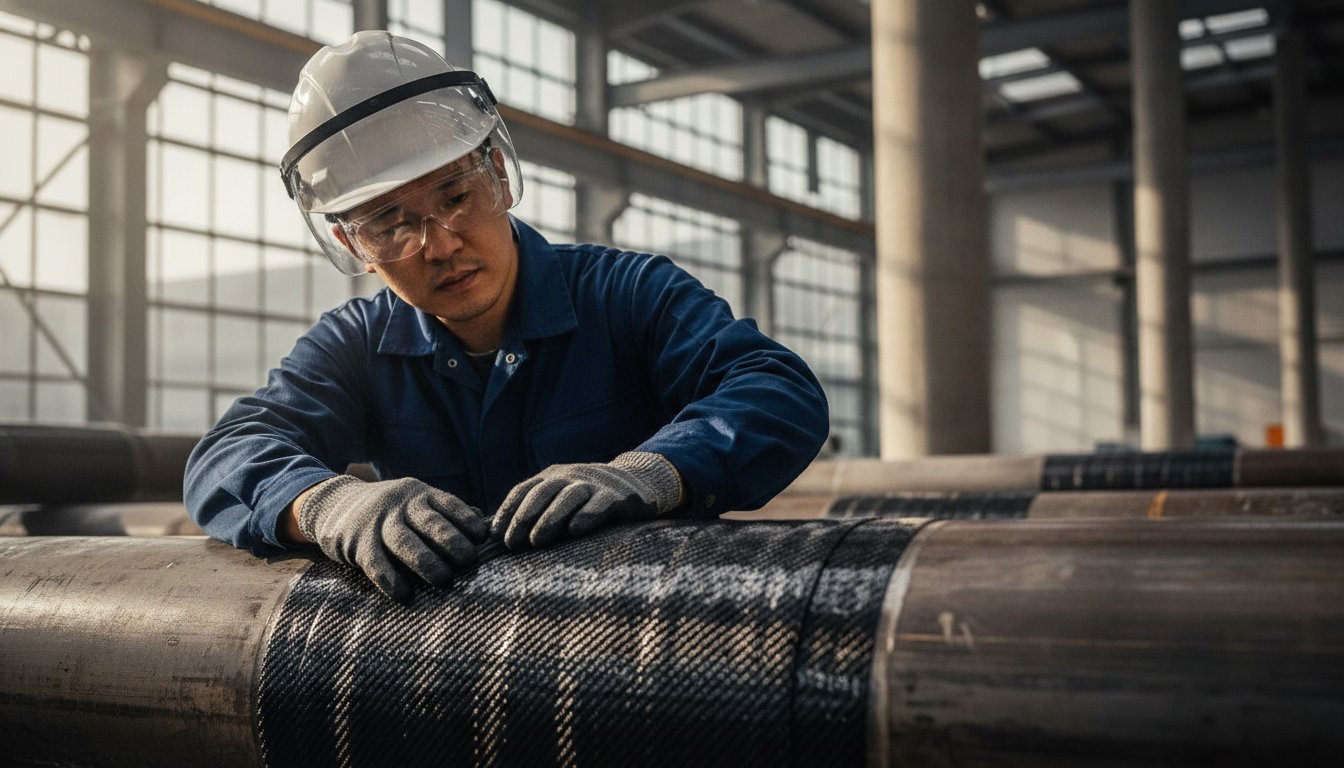
The physical application of a composite system is a methodical operation that requires rigorous adherence to technical specifications. Success in CFRP pipeline repair isn’t merely dependent on material quality; it’s defined by the precision of the installation phase. This process begins with the total isolation and dewatering of the asset, followed by a comprehensive cleaning programme to remove all biological growth, scale, or loose oxidation. Any deviation from the prescribed preparation protocols can compromise the bond between the laminate and the host pipe, which is why every stage is documented through a strict quality assurance framework. Re-commissioning of the asset only occurs once the curing cycle is complete and the material has achieved its full design strength.
Substrate Preparation and Surface Engineering
Surface engineering is the most critical precursor to the application of the Tyfo® Fibrwrap® system. To ensure a robust mechanical bond, the substrate must be prepared to a specific profile, typically achieved through abrasive blasting to a near-white metal finish for steel or high-pressure water jetting for concrete assets. In the subterranean environments common to UK infrastructure, managing moisture and ambient humidity is a significant challenge. Industrial dehumidifiers and heaters are often deployed to maintain an environment conducive to epoxy adhesion. Once the surface is prepared, a high-viscosity epoxy primer is applied to seal the substrate, followed by the use of thickened resins to fill any pits or voids, creating a perfectly smooth, void-free interface for the carbon fibre layers.
Internal vs External CFRP Application
The choice between internal and external application is primarily dictated by the asset’s diameter and accessibility. For large-diameter water mains or sewer lines, internal man-entry repairs are the preferred methodology as they eliminate the need for extensive excavation, significantly reducing the project’s environmental footprint. Conversely, external wrapping is utilised for exposed industrial pipework or during targeted excavations where a specific section of a buried line requires reinforcement. The determination of the optimal application method is a core component of specialist engineering design, where factors such as external soil loads and internal hydrostatic pressures are weighed against logistical constraints. This tailored approach ensures that the reinforcement is placed exactly where the stress concentrations are highest.
Quality control remains at the forefront of the installation process. Witness panels are fabricated on-site using the same batch of resin and fabric as the repair, providing samples for independent laboratory testing of tensile strength and modulus. Additionally, pull-off tests are conducted directly on the substrate to verify that the bond strength meets the project’s engineering requirements. These empirical checks provide asset managers with the assurance that the rehabilitated structure will perform as intended for its 50-year design life. If you require a site-specific installation programme for a critical asset, you can contact our engineering team for a detailed technical consultation.
Specialist Design and Contracting for UK Pipeline Assets
The execution of a high-pressure structural rehabilitation requires a departure from generic contracting models, favouring instead a comprehensive design-and-build framework. Because CFRP pipeline repair involves the application of advanced materials to critical infrastructure, the responsibility for both the structural calculation and the physical installation should ideally rest with a single, specialist entity. As the exclusive UK licensee for Tyfo® Fibrwrap® systems, Composites Construction UK provides this end-to-end project management, ensuring that the theoretical design is perfectly mirrored by the site-level execution. This integrated approach mitigates the risks associated with multi-party handovers, where technical nuances in material specification or substrate preparation could otherwise be overlooked. By functioning as a partner for complex infrastructure challenges, a specialist contractor ensures that the long-term security of the asset is prioritised above all else.
Bespoke Engineering and Feasibility Studies
Every rehabilitation project begins with a rigorous technical assessment, where site-specific data regarding internal operating pressures, vacuum conditions, and external soil loads are meticulously analysed. Finite Element Analysis (FEA) is frequently utilised to model the behaviour of the composite laminate at complex pipeline junctions, such as elbows and tapered transitions, where traditional linear calculations are insufficient to predict stress concentrations. These feasibility studies allow for the development of bespoke technical specifications that align with the asset’s original design life requirements. For a broader perspective on how these engineering principles are applied across different infrastructure types, asset managers may refer to our pipeline rehabilitation guide for further technical context.
Project Delivery and Quality Assurance
Navigating the regulatory landscape of the UK’s utility sectors requires a deep understanding of both health and safety protocols and industry-specific technical standards. Confined space entry during internal repairs is governed by strict UK regulations, necessitating specialised training, atmospheric monitoring, and robust rescue plans that only a seasoned contractor can reliably provide. Compliance with UK water and gas industry standards is maintained through a disciplined quality assurance programme, which includes the fabrication of on-site witness panels and the documentation of every resin batch utilised. This methodical approach ensures that the CFRP pipeline repair meets the high expectations of UK asset controllers and regulatory bodies. If you are currently managing an ageing asset that requires a structural assessment, you can arrange a technical consultation with our engineering team to discuss bespoke life-extension strategies.
Securing the Future of UK Pipeline Infrastructure
The transition from traditional excavation to advanced composite rehabilitation represents a fundamental shift in asset management strategy. By utilising CFRP pipeline repair, operators can restore full structural integrity to compromised metallic and concrete assets whilst avoiding the prohibitive costs and community disruption associated with open-cut replacement. The Tyfo® Fibrwrap® system provides a high-strength, thin-profile solution that ensures hydraulic capacity is maintained and the functional lifespan of the structure is extended by up to 50 years. As the exclusive UK licensee for these proprietary systems, CCUK delivers a comprehensive design-and-build service that prioritises engineering rigour and safety above all else. Our proven history of structural life-extension across the UK’s utility sectors provides the necessary validation for even the most complex infrastructure challenges. It’s time to move beyond reactive maintenance and adopt a science-led approach to long-term asset security. Consult our engineering team for a bespoke CFRP pipeline repair solution to ensure the continued reliability of your critical networks.
Frequently Asked Questions
Can CFRP pipeline repair be used for high-pressure gas mains?
Yes, CFRP pipeline repair is suitable for high-pressure gas mains when designed as a stand-alone structural reinforcement. The system is engineered to assume the entire internal pressure load, effectively bypassing the compromised host pipe. Engineering calculations must account for the specific gas composition and operating temperatures to ensure the epoxy resin matrix remains stable over the asset’s remaining life. This application is increasingly favoured for metallic mains where traditional welding presents high operational risks.
How long does a CFRP pipeline repair typically last?
A standard installation is engineered to provide a functional service life of 50 years. This longevity is achieved through the inherent fatigue resistance of carbon fibre and the protective properties of the polymer matrix. Unlike metallic patches, the composite does not corrode, ensuring that the structural integrity remains constant over time. Long-term performance is verified through rigorous accelerated ageing tests and adherence to international design codes such as ASME PCC-2.
Is the Tyfo® Fibrwrap® system resistant to chemicals and corrosion?
The Tyfo® Fibrwrap® system exhibits exceptional resistance to a wide range of aggressive chemicals and effluents. The resin matrix acts as a robust barrier, protecting the carbon fibres from acids, alkalis, and salts commonly found in industrial wastewater or corrosive soils. Furthermore, because the material is non-conductive, it eliminates the risk of galvanic corrosion, which often plagues metallic repair solutions in subterranean environments, providing a permanent shield for the substrate.
What is the maximum diameter pipe that can be repaired with CFRP?
There is no theoretical upper limit to the pipe diameter that can be rehabilitated using this methodology. For internal applications, the primary constraint is safe man-entry access for the installation team. For external repairs, the limit is governed by the extent of the excavation. Systems have been successfully deployed on large-scale culverts and water mains exceeding 3000mm in diameter, providing a bespoke structural fit regardless of the structure’s scale.
How does CFRP compare to slip-lining in terms of hydraulic flow?
CFRP offers a significant hydraulic advantage over slip-lining due to its minimal wall thickness, typically ranging from 3mm to 10mm. Whilst slip-lining requires a substantial reduction in internal diameter to accommodate the new pipe and annulus, CFRP preserves almost the entire cross-sectional area. The resin-rich finish also provides a smooth surface with a low Manning’s n-value, often resulting in improved flow characteristics compared to the original corroded or encrusted host pipe.
Does the pipeline need to be completely dry during the CFRP installation?
Achieving a dry substrate is essential for ensuring the long-term bond strength of the epoxy resin. Whilst some specialised resins can tolerate damp conditions, the highest levels of structural performance are reached when the substrate is clean and dry. Moisture and humidity are managed through industrial dehumidification and heating systems during the surface preparation and curing phases. This controlled environment is vital for preventing voids or delamination at the bond interface.
Can CFRP be used to repair localised damage or just full pipe lengths?
Both localised “spot repairs” and full-length rehabilitations are achievable with CFRP pipeline repair technology. For assets with isolated wall thinning or point defects, targeted reinforcement provides a cost-effective alternative to lining the entire pipe. The design is tailored to overlap the damaged area by a calculated length, ensuring that stresses are safely transferred into the sound sections of the host pipe. This flexibility allows for highly efficient and surgical asset management.
What UK standards govern the use of CFRP for structural strengthening?
The design and installation of composite repairs in the UK are primarily governed by ISO/TS 24817 and the Concrete Society Technical Report 55 (TR55). These documents provide the technical requirements for qualification, design, and testing of FRP systems. Additionally, the American standard ASME PCC-2 is frequently referenced for high-pressure metallic pipework. Adherence to these standards ensures that the repair meets the safety factors required by UK utility operators, insurers, and regulatory bodies.