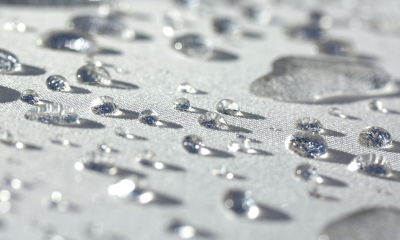
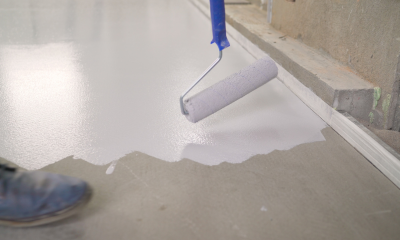
Moisture ingress is one of the most common causes of structural deterioration in buildings. However, not all moisture protection systems are the same. The terms…
Strengthening load-bearing structures has traditionally been associated with heavy steelwork, intrusive construction activity and significant downtime. For occupied buildings, operational facilities and public infrastructure, that…
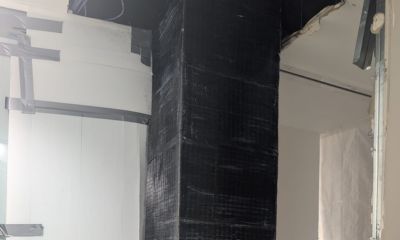
Carbon fibre strengthening is a modern method of repairing and upgrading existing structures without the need for major demolition or intrusive works. It’s widely used…
Concrete is strong, durable and widely used, but it is not naturally waterproof. Without the right protection, water ingress can lead to corrosion of reinforcement,…
As the built environment ages and performance demands increase, traditional approaches to structural strengthening are being reevaluated. Steel plate bonding, concrete jacketing and section enlargement…
Retrofitting has become a critical part of modern structural engineering. As infrastructure ages, usage changes and design standards evolve, existing assets must be adapted to…
Across the UK and beyond, many buildings, bridges and industrial structures are approaching or exceeding their original design life. Decades of increased loading, environmental exposure,…
Carbon fibre reinforced polymers (CFRP) are used across the construction and engineering sectors for their exceptional strength-to-weight ratio. But what actually gives these materials their…
When it comes to structural repair and strengthening, the choice between carbon fibre and steel can have a major impact on performance, cost and long-term…
There are many advantages to choosing carbon fibre reinforcement, such as its exceptional tensile strength whilst adding virtually no extra load to the structure. Below…